
 IPM Home
Integrated Pest Management is a process of managing pests that replies on prevention and multiple control tactics that provide the best control with the least cost and environmental impact.
IPM is based on thorough knowledge of the pests and the technologies used to control them, and can be performed by anyone with proper training. A good IPM program attempts to make schools less hospitable to pests by modifying the environment, like improving sanitation, and eliminating pest harborage sites, along with using the lowest impact pesticides as necessary.
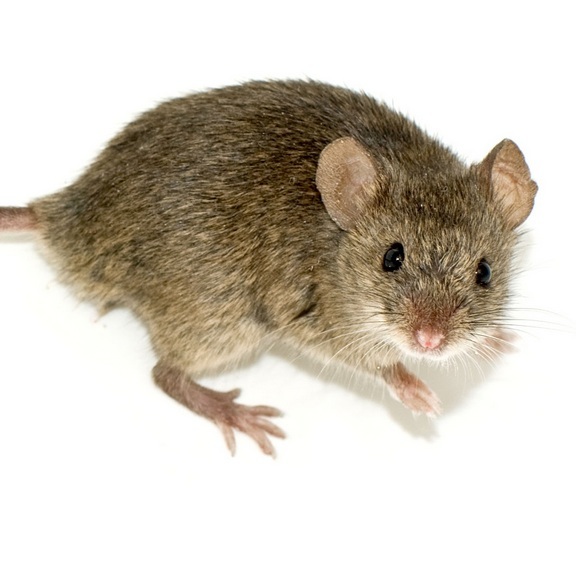
School IPM training modules for: school administrators, facility managers, pest management professionals/school IPM coordinators, landscape and grounds staff, custodians, maintenance staff, nurses, food service staff and teachers
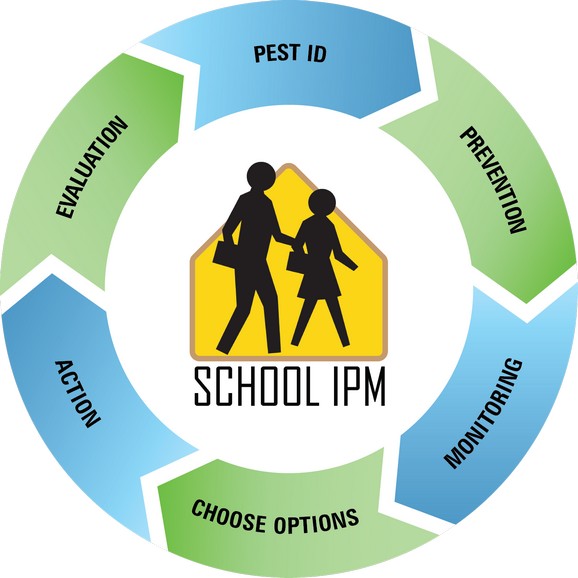
The components of IPM include prevention, pest ID and monitoring. These and other aspects like IPM coordinator, Maps, IPM Plan and IPM Logbook are described

Download any of these School IPM forms or templates and modify them as needed.

Wyoming School Notification and Signs Law
Wyoming statute 35-7-375 requires specific notification and signage if pesticides are used on school grounds
Contact Us
John Connett
Integrated Pest Management
College of Ag and Natural Resources
Ecosystem Science and Management
Department #3354
1000 E. University Ave
Laramie, WY 82071
Phone: 307-766-5022
Email: IPMhelp@uwyo.edu

No Entomology graduate research program available
