

How to Prepare in First Year
Reflect and Explore Upon Your Personal Strengths and Communication
Personal Strengths:
As a result of your first year, we would like you to be able to provide different answers to the following 3 questions about your personal strengths:
Communication:
As a result of your first year, we would like you to be able to answer the following 3 questions about your communication abilities:
Teamwork:
As a result of your second year, we would like you to be able to answer the following 3 questions about your teamwork abilities:
Technology:
As a result of your second year, we would like you to be able to answer the following 3 questions about your technological abilities:
Critical Thinking:
As a result of your third year, we would like you to be able to answer the following 3 questions about your critical thinking capacities:
Leadership:
As a result of your third year, we would like you to be able to answer the following 3 questions about your leadership orientation:
Professionalism:
As a result of your Senior year, we would like you to be able to answer the following 3 questions about your professionalism:
Transitioning Forward:
As a result of your Senior year, we would like you to be able to answer the following 3 questions about your transitioning:
Graduate school can be an excellent next step for students who want to deepen their knowledge, strengthen their professional skills, specialize in a field, or open doors to careers that require advanced education. It is not simply “more school”; it is a chance to become more focused, independent, and confident in your chosen area of study or career path.
At the same time, graduate school is a major commitment, so it is important to explore programs carefully, understand the cost and time involved, and think honestly about your goals. The best graduate school decision is one that connects clearly to who you are, what you value, and where you want to go.
If graduate school is something you are considering, know that you do not have to have everything figured out right away. Start by asking questions, talking with mentors, researching programs, and reflecting on your strengths and long-term goals. With planning, curiosity, and support, graduate school can be a meaningful and exciting step toward the future you are building.
Beneficial resources to guide you to your professional goals. Click on the window below for downloadable resources on resumes, cover letters, interviewing, job searching, and much more!
Don't wait until your last semester to start planning your career! You should be taking steps each year towards your career success.


Personal Strengths:
As a result of your first year, we would like you to be able to provide different answers to the following 3 questions about your personal strengths:
Communication:
As a result of your first year, we would like you to be able to answer the following 3 questions about your communication abilities:

Teamwork:
As a result of your second year, we would like you to be able to answer the following 3 questions about your teamwork abilities:
· What role do I usually take on in a team, and how do my contributions affect the larger group?
· How do I contribute when a team is struggling, disorganized, and/or in conflict?
· When do I go above and beyond in my academic, professional, and personal life and what can I learn from this?
Technology:
As a result of your second year, we would like you to be able to answer the following 3 questions about your technological abilities:
· Do you know how to access the relevant, technical platforms in your field?
· Do you have a good handle on the technological language of your chosen career?
· How do you use technology responsibly, ethically, and effectively in your academic and career settings?

Critical Thinking:
As a result of your third year, we would like you to be able to answer the following 3 questions about your critical thinking capacities:
· How do I evaluate information, evidence, and sources before forming a career-oriented decision?
· How do I recognize my own biases and assumptions in career-related information I encounter?
· How do I receive real-time, ongoing feedback from relevant employers in my chosen industry?
Leadership:
As a result of your third year, we would like you to be able to answer the following 3 questions about your leadership orientation:
· What kind of a leader am I becoming through internships, job coaching, and other relevant experiential learning opportunities?
· How do I influence, support, and motivate others in groups, organizations, work, and academic settings?
· How do I handle responsibility, conflict, and decision-making when others are depending on me?

Professionalism:
As a result of your Senior year, we would like you to be able to answer the following 3 questions about your professionalism:
· How do I present myself professionally in interviews, workplace settings, graduate school, or networking situations?
· How do I demonstrate reliability, accountability, and follow-through when others are depending on me?
· How do I build and maintain a professional reputation through my communication, work ethic, attitude, and relationships?
Transitioning Forward:
As a result of your Senior year, we would like you to be able to answer the following 3 questions about your transitioning:
· How will I adapt from being a student to being a professional with new expectations, responsibilities, and routines?
· What habits, skills, and support systems will help me succeed during my first year after graduation?
· How will I continue learning, building relationships, and growing professionally after I enter the workforce?
Graduate school can be an excellent next step for students who want to deepen their
knowledge, strengthen their professional skills, specialize in a field, or open doors
to careers that require advanced education. It is not simply “more school”; it is
a chance to become more focused, independent, and confident in your chosen area of
study or career path.
At the same time, graduate school is a major commitment, so it is important to explore
programs carefully, understand the cost and time involved, and think honestly about
your goals. The best graduate school decision is one that connects clearly to who
you are, what you value, and where you want to go.
If graduate school is something you are considering, know that you do not have to
have everything figured out right away. Start by asking questions, talking with mentors,
researching programs, and reflecting on your strengths and long-term goals. With planning,
curiosity, and support, graduate school can be a meaningful and exciting step toward
the future you are building.
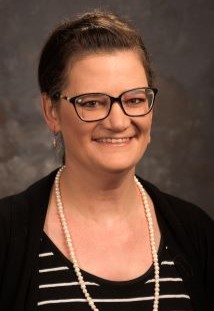
Tyler heads the CEPS Susan McCormack Center for Student Success Career Services Department and will be focusing on developing relationships with employers in our industry.
Contact Jessica:
Email: jrobin55@uwyo.edu
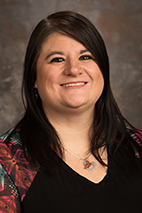
Annie is the CEPS Career Coach and will be focusing on helping students within the college prepare for the professional world by helping with resume reviews, mock interviews, cover letter writing, building connections in the field, gaining internships, and much more!
Contact Annie:
Email: acowger1@uwyo.edu

As Handshake should not be the only website you use for job searching, it is a great first start! Handshake is also a useful tool for finding out what events are happening virtually as well as around UW.
Check out where our alumni go with a degree from UW:
|
EMPLOYERS which hire our alumni |
What Are they doing? Data Scientist |
Reflect and Explore Upon Your Personal Strengths and Communication
Prepare Your Professional Portfolio: Teamwork and Technology
Get Some Experience: Critical Thinking and Leadership
Let's Celebrate Your Success: Professionalism and Transitioning Forward
Graduate school can be an excellent next step for students who want to deepen their knowledge, strengthen their professional skills, specialize in a field, or open doors to careers that require advanced education. It is not simply “more school”; it is a chance to become more focused, independent, and confident in your chosen area of study or career path.
At the same time, graduate school is a major commitment, so it is important to explore programs carefully, understand the cost and time involved, and think honestly about your goals. The best graduate school decision is one that connects clearly to who you are, what you value, and where you want to go.
If graduate school is something you are considering, know that you do not have to have everything figured out right away. Start by asking questions, talking with mentors, researching programs, and reflecting on your strengths and long-term goals. With planning, curiosity, and support, graduate school can be a meaningful and exciting step toward the future you are building.
Button Link

The University of Wyoming has earned its Research Level 1 (R1) status from the Carnegie Classification of Institutions of Higher Education, placing Wyoming's only four-year university with the top research universities in the United States.