science of reading
The Science of Reading draws on a broad body of research about how students develop literacy skills and the instructional practices that support reading and writing. The 2022 Fall Literacy Conference focused on current research and evidence-based practices for PreK–12 literacy instruction, with attention to reading comprehension, writing development, the connections between reading and writing, and student engagement.
Goals and Objectives for the Conference:
- Bring together PreK, elementary, and secondary teachers, librarians, and school administrators to examine current issues and trends in literacy teaching and research.
- Explore what scientific research tells us about the skills and knowledge that support reading comprehension.
- Examine evidence-based practices that support students’ development as writers and consider how writing can enhance reading and learning.
- Explore practical approaches for strengthening the connections between reading and writing and building a positive literacy culture in schools and classrooms.
- Consider ways to foster curiosity, motivation, and engagement to support students as readers, writers, and learners.

Meet our keynote speakers
Dr. Steve Graham, Dr. Gina Cervetti, and New York Times bestselling author Kate Messner brought complementary perspectives on reading, writing, and literacy learning. Their keynote presentations explored evidence-based writing practices, the science of reading comprehension, and the power of curiosity to inspire and engage students as readers, writers, and learners.
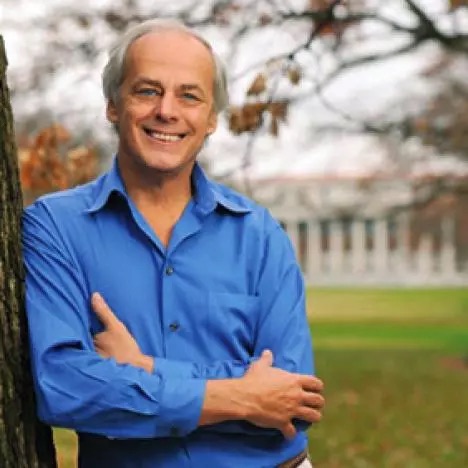
Dr. Steve Graham: Regents and the Warner Professor in the Division of Leadership and Innovation in Teachers College
Keynote Title: Writing Development and Evidence-Based Writing Practices
Abstract: This presentation examines catalysts that facilitate students' development as writers, including writing knowledge, strategic behaviors, motivation, and writing skills. It also presents evidence-based practices that improve students' writing and address these catalysts. Finally, it explores how writing can be used to enhance reading and learning.
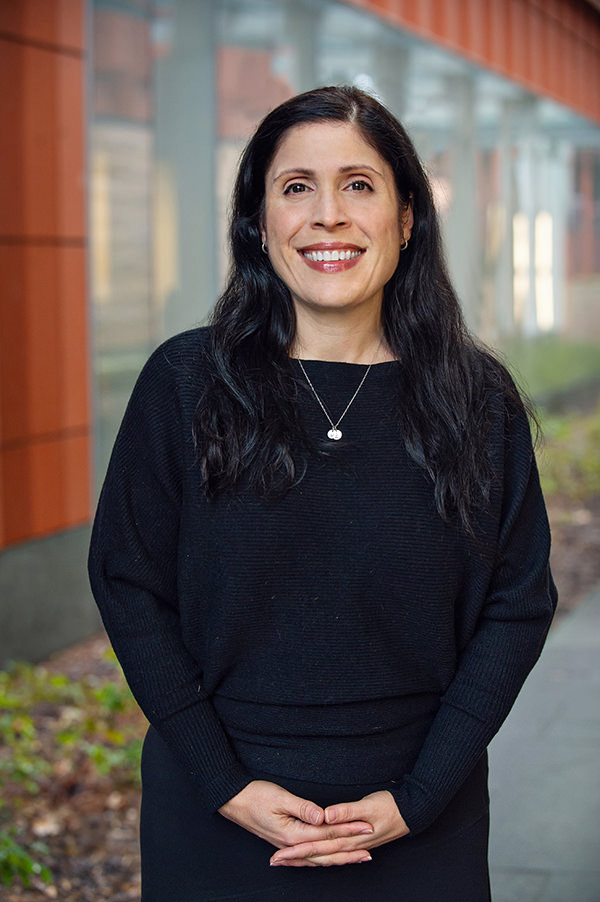
Dr. Gina Cervetti: Associate professor of Literacy, Language, and Culture at the University of Michigan.
Keynote Title: The Science of Reading
Comprehension
Abstract: The term “Science of Reading” has been used to signal an approach to reading instruction
that foregrounds decoding as the foundation of
successful reading. Gina Cervetti will discuss the Science of Reading and what scientific
research tells us about the skills and knowledge that support reading comprehension
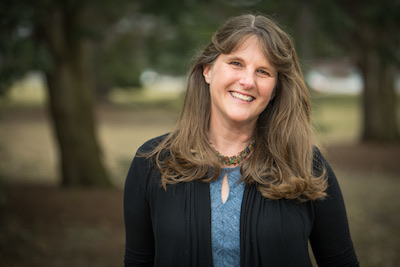
Kate Messner: New York Times bestselling author of more than fifty books for kids
Keynote Title: The Creative Superpower of Curiosity
Abstract: New York Times bestselling author Kate Messner shares how her passionate curiosity
about the world has
shaped her work as a writer – and how harnessing that power in the classroom and library
can help transform the world.
Explore our breakout sessions
Breakout sessions gave participants opportunities to extend their learning through practical, classroom-focused conversations about literacy instruction. Sessions explored the connections between reading and writing, building a strong literacy culture, and applying Science of Reading research and practices in educational settings.
Reading and writing are interconnected processes that strengthen and support one another. In this session, participants will explore practical, evidence-based strategies for integrating reading and writing instruction in ways that build students’ literacy skills, deepen comprehension, and encourage meaningful engagement with text. Participants will leave with ideas for creating purposeful connections between what students read and what they write.
The Science of Reading reinforces the right of every student to know how to read. Students must also want to read, and that is the focus of this session. We are all literacy leaders in our schools, and this session is for literacy leaders in a building both formal and informal. Join me and share in actionable, fun ideas to enhance classrooms, meetings, and culture around adolescent reading and writing. Learn how to create a community of readers and writers and initiate conversations to build students’ skills and enthusiasm for literacy.
You've heard about Science of Reading, but what about the Science of Writing? What does research have to say about working with elementary age writers in the classroom? This session will highlight some of the latest research related to both structured and unstructured writing and will include application ideas for supporting writing instruction with young writers in the classroom.