High-Quality Vocabulary Instruction in grades P-12
Vocabulary knowledge plays an important role in reading comprehension, academic learning, and students’ ability to communicate across content areas. The 2023 Fall Literacy Conference focused on research-informed and practical approaches to building students’ vocabulary knowledge from preschool through high school, with attention to academic language, diverse learners, and effective classroom and schoolwide practices.
Goals and Objectives for the Conference:
- Explore research-informed principles and practices for high-quality vocabulary instruction across grades P–12.
- Examine strategies for helping students develop deep knowledge of words and use academic vocabulary effectively in a variety of learning contexts.
- Consider approaches for supporting the vocabulary development of English learners through evidence-based practices that recognize linguistic, cultural, and social factors.
- Provide educators with practical, engaging vocabulary strategies that can be implemented in classrooms and across schools.
- Highlight collaborative, schoolwide approaches to strengthening vocabulary instruction and improving student learning.

Meet our keynote speakers
Dr. Dianna Townsend, Dr. Doris Baker, and acclaimed author and poet Gary Soto brought unique perspectives on language, literacy, and learning. Their keynote presentations explored academic vocabulary and word learning, supporting English learners, and the power of regional literature to create authentic connections for readers.
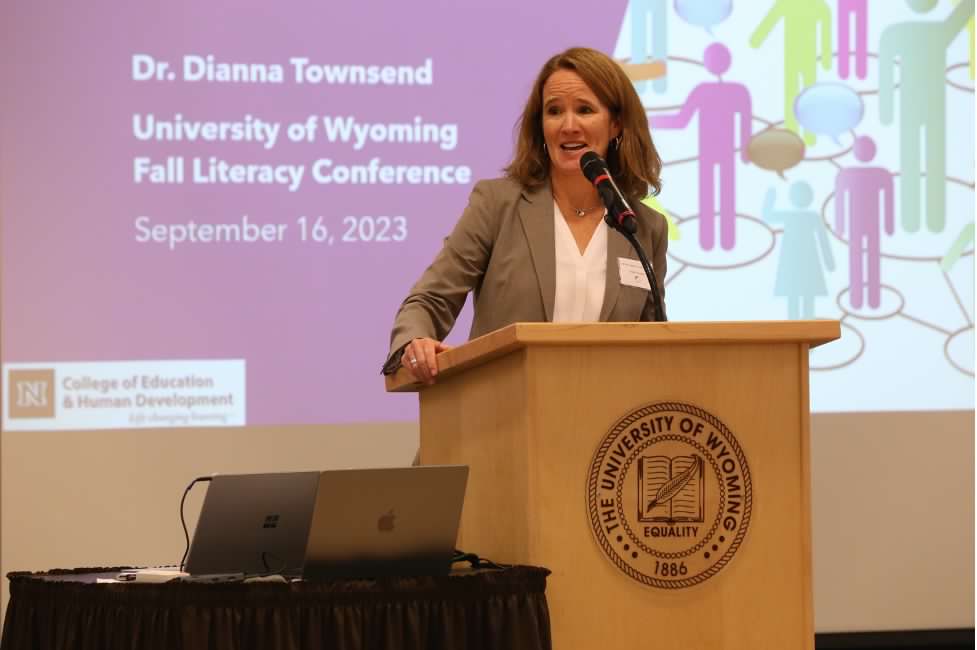
Dr. Dianna Townsend: Professor of Literacy Studies University of Nevada, Reno
Keynote Title: Words Worth Using: Academic Vocabulary in K-12 Classrooms.
Abstract: Educators who have limited time (in other words, all of us!) often wonder, “There are so many important words! Which ones do I help my students learn and how do I help them build deep knowledge of them?” Drawing on strong research evidence, Dr. Townsend will help you answer those questions for your students. She will also help you explore ways to boost your own “metalinguistic knowledge,” or knowledge of what words mean and how they work, so that you can guide students in powerful word learning. Finally, Dr. Townsend, will share engaging instructional routines to help students build deep knowledge of words
worth using in academic settings and beyond.
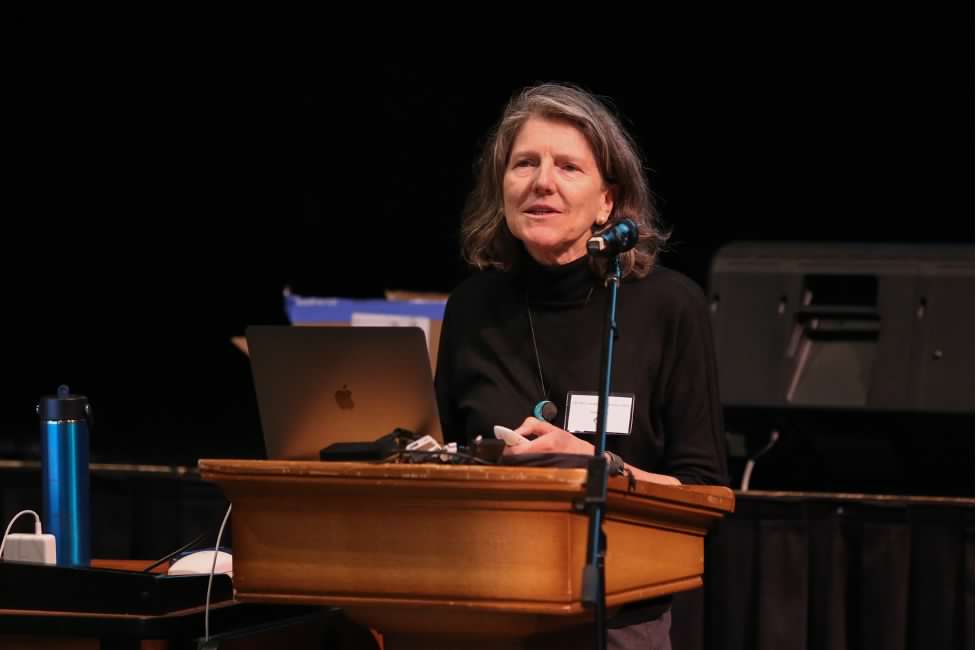
Dr. Doris Baker: Associate Professor for Special Education Curriculum & Instruction University of Texas, Austin
Keynote Title: What does it mean to know a word? Examining the ways English learners make sense of words.
Abstract: In this presentation, we will discuss the research on how English learners learn new words to express their thoughts on a specific topic. We will explore different linguistic, cultural, and social patterns that affect the word learning of English learners. In addition, we will discuss how teachers can support English learners in learning and using these words using evidence-based practices.
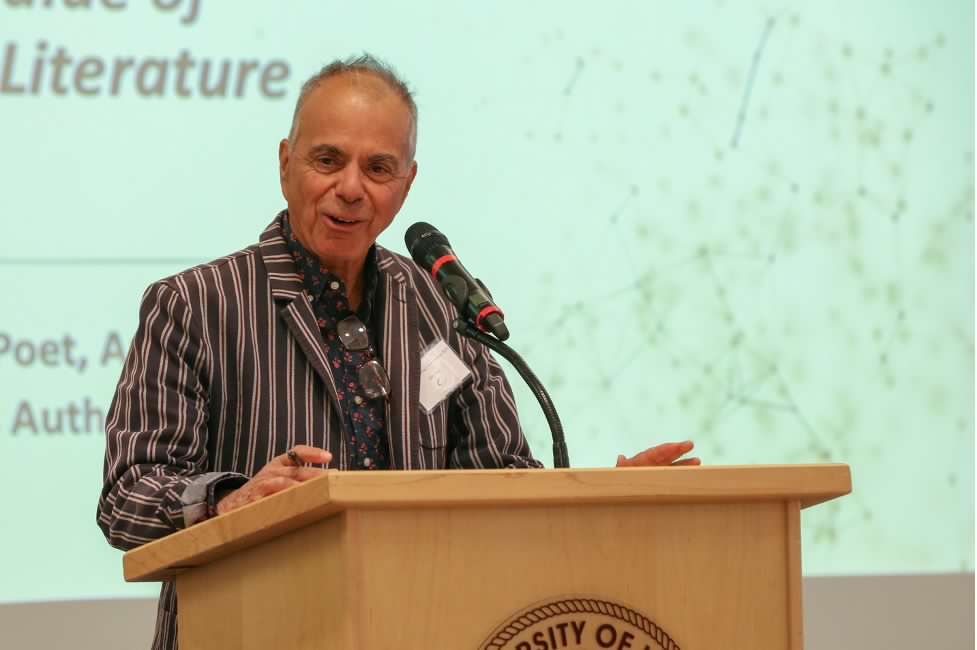
Gary Soto: Best-Selling Author & Poet
Keynote Title: The Earth at My Feet: Gary Soto and the Value of Regional Literature
Abstract: Gary Soto was born and raised in Fresno, California. Much of his writing, for children, young-adults, and adults, is seeded in place—and his place is called the San Joaquin Valley. He claims that the best literature our country offers has a regional feel and wonderment. From regional writing the reader finds an authentic experience. Let's see if this
is true.
Explore our breakout sessions
Breakout sessions gave participants opportunities to dig deeper into vocabulary instruction through practical, classroom-focused learning. Presenters shared engaging instructional strategies, schoolwide approaches, and examples of sustained professional development designed to strengthen vocabulary teaching and student learning.
Participants will gain an understanding of the importance of vocabulary instruction. They will learn and experience a variety of hands-on vocabulary strategies. Each strategy provided is grounded in research and teacher-tested. Participants will leave with a plan to implement some of the strategies learned
Based on Sublette County School District #1’s ongoing work, Literacy Specialist, Faith Howard will present a model for how to improve student vocabulary and increase reading scores
through data analysis, strategic partnerships, whole-school professional development, teacher collaboration, and a focus on disciplinary literacy. Drawing from Templeton, Bear, and
Invernizzi’s 2nd edition of Words Their Way: Vocabulary for Middle and Secondary Students, this session will provide resources and ideas to implement within your own school to address gaps
in student vocabulary development.
The educators at Wind River/Crowheart Elementary Schools have been engaged in an extensive multi-year vocabulary professional development collaboration with McREL International Region
11 Comprehensive Center and the UW Literacy Research Center and Clinic. Presenters at this session will provide an overview of the nature of the school-wide, multi-year vocabulary professional development work happening at Wind River/Crowheart Elementary Schools.