

Dorm Dreams: Tips for Restful Nights in Shared Spaces
Izzy S.
Published August 04, 2026
4 Minute Read
Creating your best night's sleep
Living on campus is one of the best parts of the college experience. Residence halls make it easy to meet new friends, build a community and stay close to classes, campus events and everything happening at the University of Wyoming. While sharing a space with a roommate can take a little adjustment, a few simple habits can help you sleep well and make your room a comfortable place to recharge. Whether you're preparing for your first semester or settling into a new routine, these tips will help you get the rest you need to make the most of campus life.
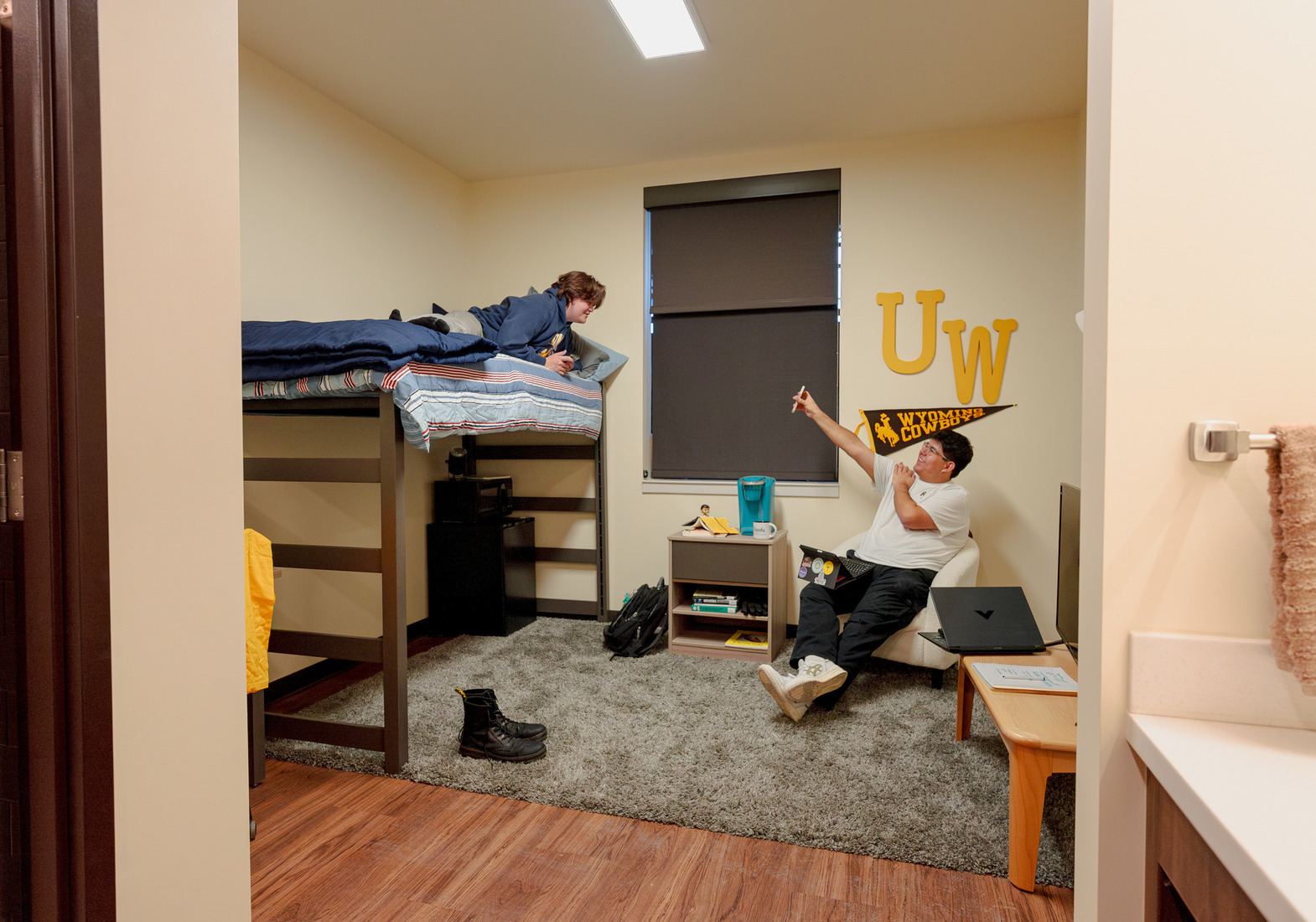
1. Create a Sleep-Friendly Environment
Even in a shared space, there are ways to make your sleeping area more conducive to rest:
- Use Earplugs or White Noise: If noise is an issue, consider investing in earplugs or using a white noise machine (fun fact: every iPhone has one built in) to mask the sounds around you. This can help create a calming atmosphere that promotes sleep.
- Invest in Comfortable Bedding: A good mattress pad, soft sheets, and comfortable pillows can make a huge difference in the quality of your sleep. Even though dorm mattresses are usually standard twin XL, adding a few personal touches can improve your comfort.
- Dim the Lights: Bright lights can disrupt your sleep cycle. Use a dim lamp or fairy lights to create a calm, low-light atmosphere in the evenings. If your room has overhead lights that are too bright, a sleep mask can be an effective solution.
2. Set a Consistent Sleep Schedule
In the fast-paced college environment, it can be tempting to stay up late and sleep in on weekends, but maintaining a regular sleep schedule is crucial for good rest.
- Stick to a Sleep Routine: Try to go to bed and wake up at the same time every day, even on weekends. This helps regulate your body’s internal clock and ensures better-quality sleep.
- Avoid Cramming Before Bed: Studying late at night can make it harder to wind down. If you need to study, try to finish at least an hour before you plan to sleep. The stress from cramming can keep you awake.
3. Set Boundaries with Roommates
If you share a room, communication is key to ensuring both of you get restful sleep.
- Discuss Sleep Needs: Have an open conversation with your roommate about each other’s sleep schedules and preferences. Whether it's about light, noise, or privacy, understanding each other’s needs will make living together easier.
- Create a Sleep Agreement: You and your roommate can agree on quiet hours, phone use during the night, or other habits that might impact your sleep. This is particularly helpful if your study habits or social schedules don’t align.
4. Limit Screen Time Before Bed
The blue light emitted by phones, computers, and TVs can interfere with your body’s ability to produce melatonin, a hormone that regulates sleep. To improve your sleep quality:
- Set a Screen Curfew: Try to stop using screens at least 30-60 minutes before bed. Instead, consider reading a book, listening to calming music, or practicing relaxation techniques to wind down.
- Use Night Mode: If you must use your phone or computer before bed, switch to "night mode" or use blue-light-blocking glasses to reduce the impact of screens on your sleep cycle.

5. Practice Stress Management
College can be stressful, and that stress can affect your ability to sleep. Here are some ways to manage stress:
- Meditation or Deep Breathing: Taking just 5–10 minutes to meditate or practice deep breathing exercises before bed can help calm your mind and body. Apps like Headspace or Calm offer guided sessions that can help you unwind.
- Journaling: Writing down your thoughts before bed can clear your mind and reduce stress. If you’re worried about an assignment or an upcoming exam, jotting down your thoughts can help you organize your priorities and ease anxiety.
- The Wellness Center: The Wellness Center is a great place to relax and clear your head from the stress of school. They have massage chairs in their Relax and Recharge Room to help de-stress the craziness of school! Make sure to check out the Wellness Center.
6. Take Naps—But Do It Right
Naps can be a lifesaver, especially if you didn't get enough sleep the night before. However, be mindful of how and when you nap:
- Keep Naps Short: A power nap of 20-30 minutes is ideal. Anything longer can make it harder to fall asleep at night.
- Nap Early: Try to take your nap in the early afternoon, so it doesn’t interfere with your ability to fall asleep later.
Getting good sleep in a dorm may seem like a challenge, but with a little effort and some smart strategies, you can make your living space work for you. By setting boundaries with your roommates, managing your stress, and creating a sleep-friendly environment, you can improve your chances of getting restful, rejuvenating sleep. Remember, a good night’s sleep is essential not only for your health but for your academic success and overall well-being. So, prioritize your rest and make sleep a key part of your college routine.
Sweet dreams, and here’s to a well-rested semester!