
How CUREs are being implemented at UW
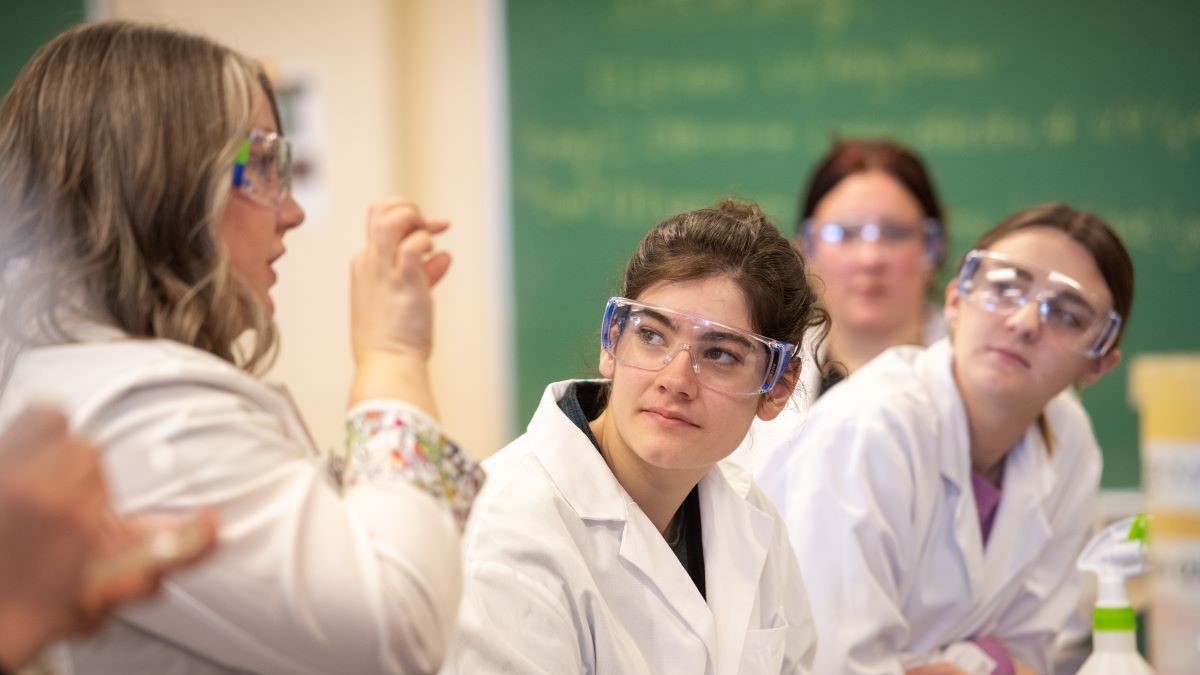
Introductory survey courses
Using a scientific literacy/nature of science backbone to be supplemented with crowd-sourced graduate student or faculty research.
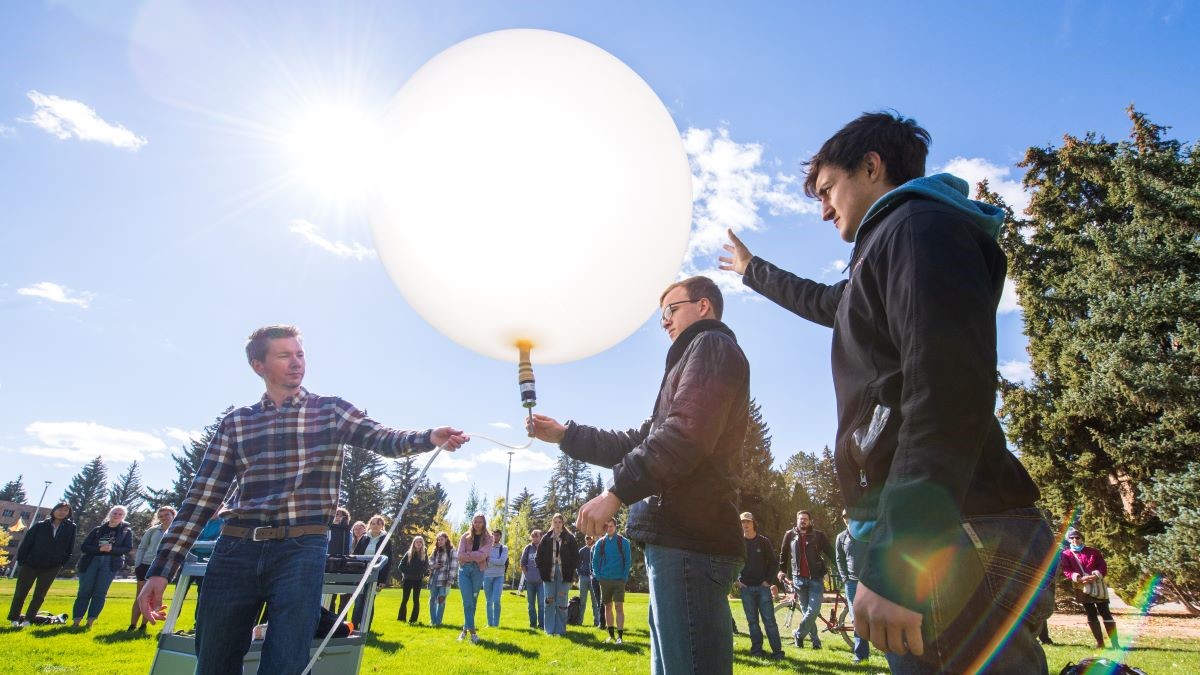
Content-specific courses
Include courses with more focused content, and the research component is generally based on the instructors' own research or expertise. These tend to be 3000-4000 level courses, but can be any level.
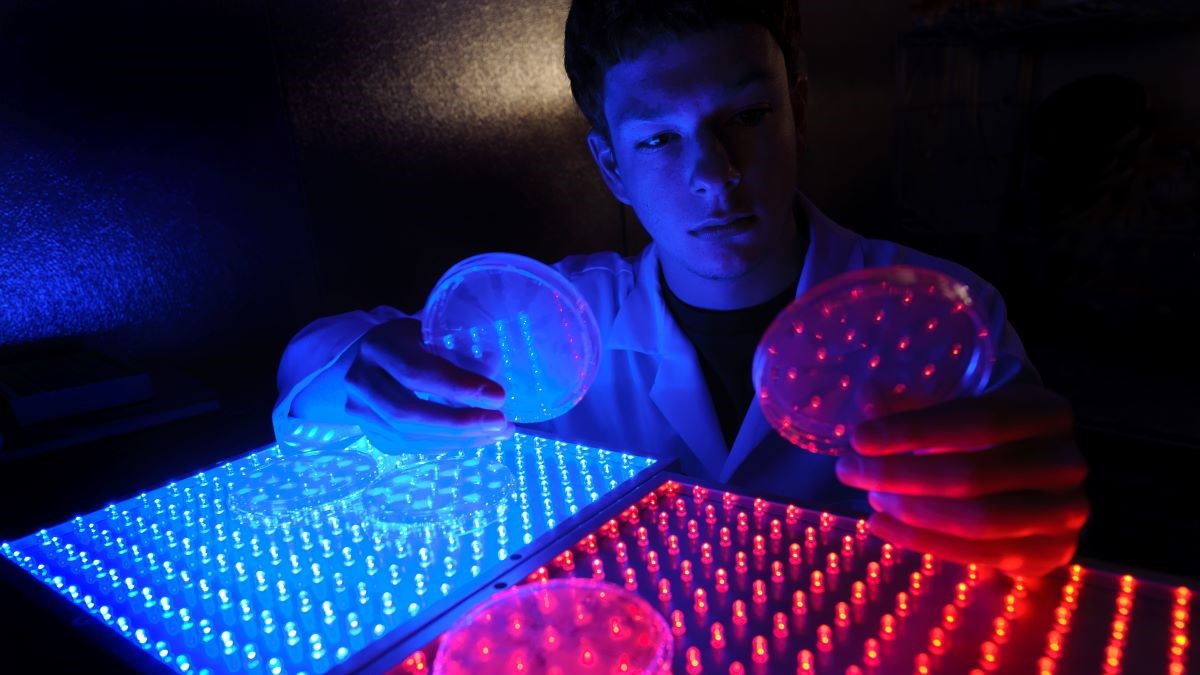
Research-specific courses
These courses are designed to support student-generated research ideas on a variety of topics and tend to be more process-drive than content-driven.
Why CUREs?
Implementation of CUREs can have a positive outcome on students' learning, faculty experiences, and the research entity as a whole at the univeristy.
Student outcomes:
- Enhanced self-confidence in scientific thinking and the development of scientific process skills
- Providing research experiences to a greater number and a wider range of students
- Improved persistence in science majors
Faculty outcomes:
- Closer integration of teaching and research
- Expanded data acquisition
- Publication of research in both science and education journals
- Assists in identifying, recruiting, and training students to join research laboratories
University outcomes:
- Increasing access to high-impact practices
- Enhancing student retention
- Fostering a research-focused, collaborative culture
Science Initiative CURE Spaces and Resources
The Student Collaborative Research, Outreach & Learning Laboratory (SCROLL), located on the 4th floor of the Science Initiative Building provides a hub for laboratory-based CUREs. It has been outfitted with a wide range of high-tech equipment to support learning and discovery across the disciplines.
The Center for Advanced Scientific Instrumentation (CASI) Showcase houses CASI-CURE instrumentation, including a desktop scanning electron microscope (SEM), an X-ray fluorometer, and an Illumina sequencer to be co-owned for use by both faculty researchers and students in CUREs.
The Student Undergraduate Multidisciplinary Mentored Inquiry and Training (SUMMIT) labs are smaller, distributed spaces containing specialized, technique-specific instrumentation to support both CUREs and undergraduate research overall. The first SUMMIT lab is in Williams Conservatory and is focused on molecular work and elemental analysis.
Current CUREs in implementation
Classes below reach over 750 students annually.
LIFE 1010 - General Biology (two research projects - one on fungal effectors in plant pathogens and the other on resistance to white pine blister rust)
LIFE 1050 - Introduction to Ecological Research (student-generated projects)
LIFE 2023 - Biology of Plants and Fungi (research project on microbiome and future directions for dryland wheat and CRP fields)
BOT 3000 - Plant Form and Function (research on ascorbate peroxidase)
BOT 3400 - Fungal Form and Function (student-generated projects)
CHE 4100 - Biochemical Engineering (research on nutraceutical development of Chlamydomonas)
MICR 4321 - Microbiology Capstone (student-generated projects)
MOLB 3320 -Molecular Biological Methods*
ZOO 4190 - Comparative Environmental Physiology*
*In development for next scheduled offering

The University of Wyoming has earned its Research Level 1 (R1) status from the Carnegie Classification of Institutions of Higher Education, placing Wyoming's only four-year university with the top research universities in the United States.