
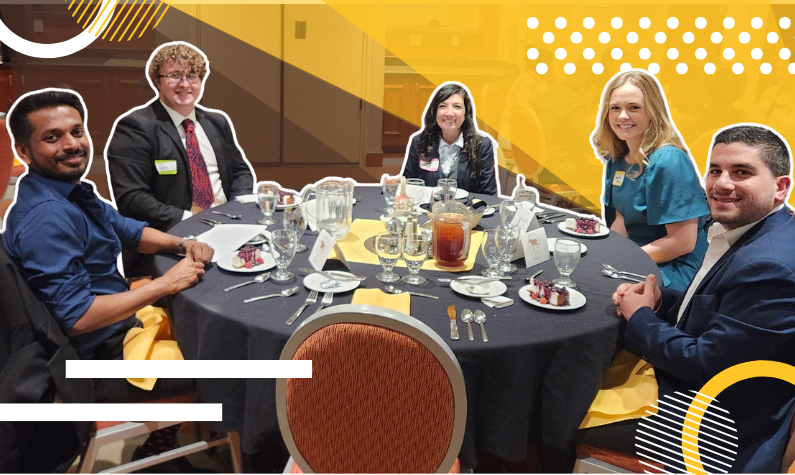
I Came for Dinner, Left with Confidence
Victoria F.
Published June 09, 2026
5 Minute Read
Lessons from UW's Graduate Etiquette Dinner
When I first attended the University of Wyoming’s Graduate Etiquette Dinner, I expected to learn the basics of formal dining, such as where to place my napkin, which fork to use, and how to avoid awkward mistakes at the table. While I did learn those things, the evening turned out to be about much more than dining etiquette. It was really about building professional confidence, effective communication, and learning how to establish meaningful connections.
As graduate students, we spend a lot of time developing technical skills in our fields. But professional success often depends just as much on how we present ourselves, communicate with others, and make people feel valued. That’s what made the etiquette dinner such a meaningful professional development experience. By the end of the night, my biggest takeaway was simple: etiquette isn’t about perfection, it’s about respect, confidence, and connection.
Professional development Beyond the classroom
When grad students hear “professional development,” they often think of workshops, conferences, or presentations. But some of the most valuable lessons happen in spaces where we practice the interpersonal skills that support our academic and professional goals.
The etiquette dinner gave grad students a chance to build confidence in skills that are essential in graduate school and beyond:
- Introducing yourself professionally
- Making conversation in formal settings
- Understanding professional dining etiquette
- Building confidence in networking situations
- Strengthening communication skills
These are the kinds of skills that matter whether you're attending a conference, meeting with faculty, interviewing for a job, or representing your work in professional spaces. That’s why opportunities like those offered through Advising • Career • Exploratory Studies and the School of Graduate Education are so important. They help students build the confidence to navigate professional environments successfully.
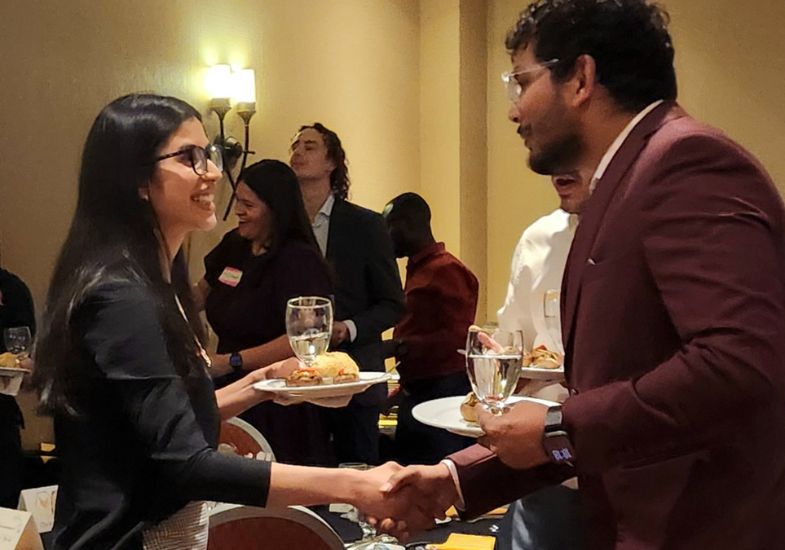
First Impressions MAtter more than we think
One of the strongest themes of the night was the importance of first impressions. Before we say a word, people notice our posture, eye contact, and attire. The dinner highlighted the importance of body language. Standing tall, making eye contact, and keeping your hands visible all communicate confidence before you even introduce yourself. The dinner also emphasized that professionalism doesn’t mean dressing expensively or being overly formal. It means being clean, prepared, and appropriately dressed for the setting. This taught me that confidence often begins with the small choices we make about how we show up.
One tip from the event that stood out to me was: ask questions if you are unsure.
The guest presenter, Christy Porter, suggested that if you are hesitant about food allergies, dietary restrictions, or the dress code, such as “smart casual”, you can contact the host ahead of the event. That advice seems simple, but it reflects something larger: preparation builds confidence.
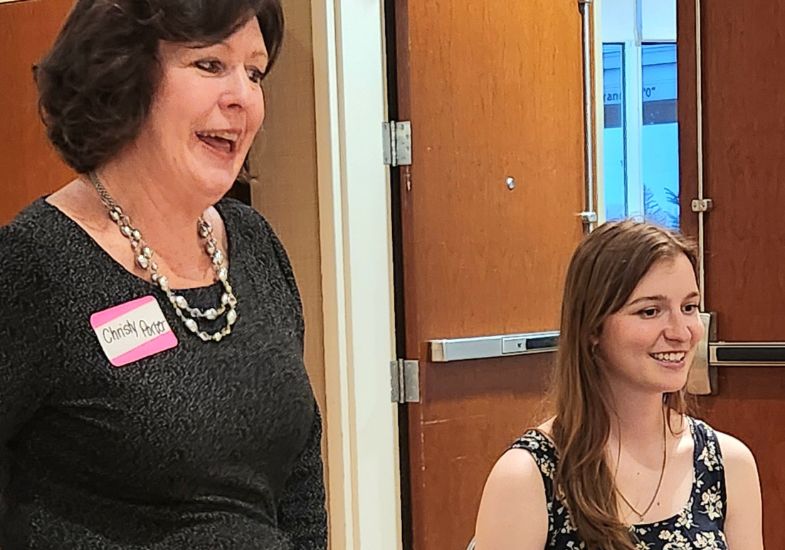
Networking is about genuine interest
One of the most practical lessons from the evening was that good networking begins with genuine curiosity. We were encouraged to ask thoughtful questions, notice something about the other person, and offer a sincere compliment.
Instead of worrying about saying the “right” thing, I learned to focus on:
- Listening carefully
- Showing genuine interest
- Making the other person feel comfortable
That approach made networking feel far more natural.
The dinner also taught practical skills like offering a confident handshake and introducing yourself clearly. But the deeper lesson was that networking is less about impressing people or advancing your own agenda. It’s about making meaningful human connections. That mindset is something I will carry into future conferences, interviews, and professional events.
Etiquette is really about respect
The etiquette dinner covered practical “rules,” like keeping your phone off the table and waiting for the host to begin eating. But what stood out to me was that every guideline came back to one principle: respect.
For example:
- Being on time shows that you value others’ time.
- Putting your phone away shows those around you that they have your full attention.
- Thanking the host shows appreciation for the invitation.
- Listening attentively communicates respect and professionalism.
Professional etiquette is less about avoiding mistakes and more about showing care for the people around you. It’s about being considerate of others.
COnfidence comes through practice
One of the most encouraging parts of the evening was the reminder that professional confidence is learned. No one naturally knows how to navigate formal networking events, business dinners, or professional conversations. These skills develop over time through exposure and practice.
The etiquette dinner created a low-pressure environment where students could practice:
- Starting conversations
- Introducing themselves
- Navigating formal dining expectations
- Building comfort in professional settings
That practice matters. Graduate school often puts us in unfamiliar professional situations- presenting research, meeting faculty, interviewing for opportunities- and those moments can feel intimidating. Experiences like the etiquette dinner help reduce that uncertainty by giving students the chance to practice professional skills with each other before they are in high-pressure environments. That kind of preparation builds confidence.
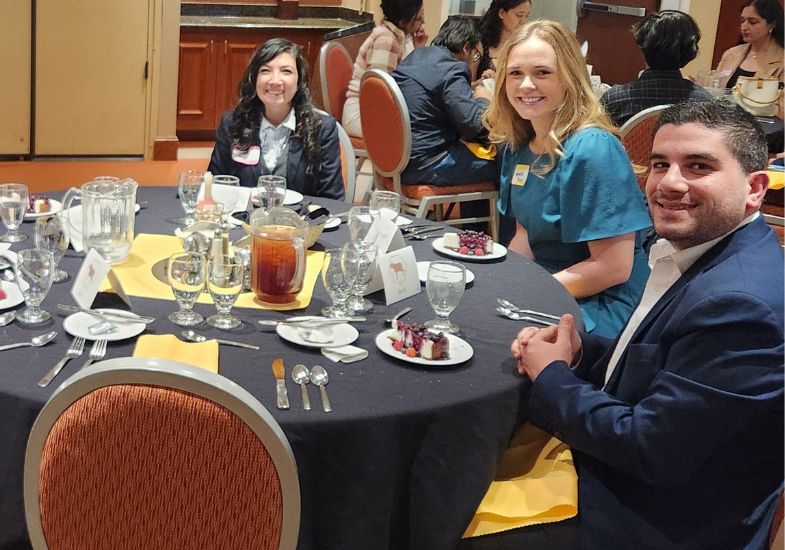
My biggest takeaway from the graduate etiquette dinner
By the end of the evening, I realized the most important lesson had nothing to do with forks, place settings, or formal conventions.
The most important lesson was about learning how:
- To be present to others.
- To listen attentively.
- To make others feel comfortable.
- To show respect through small actions.
- To build authentic connections.
That’s what professionalism really looks like. With brief practice, the dining rules melted away, and what was left was a genuine sense of community. I delighted in talking to new graduate students from different departments!
The etiquette dinner taught me that confidence isn’t about being flawless. It’s about being thoughtful, prepared, and present. Those are the skills that build community. These are the same skills that help us succeed as graduate students, professionals, and leaders.

Why experiences like this matter aT UW
Graduate school teaches us discipline, research skills, and subject expertise. But professional development opportunities like the Graduate Etiquette Dinner help us learn how to bring those skills into professional spaces with confidence. That’s why supportive resources like UW Career Services, graduate professional development workshops, and graduate student mentoring are so valuable.
They help graduate students build:
- Professional confidence
- Networking skills
- Communication skills
- Leadership presence
For me, the etiquette dinner transformed etiquette from a list of rules into a set of practical tools for building confidence and connection. And that’s a lesson that will last far beyond one dinner. Because in the end, professionalism isn’t about perfection. It’s about how we show up for others.