
Driving peer-reviewed discovery and fundamental insight.
Core Research Infrastructure
Triaxial Testing System – GCTS RTR-1500
Servo-controlled rock mechanics platform
Capabilities
- Static and cyclic strain- or stress-controlled loading
- Confining and pore pressure control (up to 20 ksi)
- Local axial and radial strain instrumentation
- Ultrasonic velocity measurements (Vp, Vs)
- Temperatures up to 300°F
Applications
- Underground hydrogen storage
- Carbon sequestration
- High-pressure rock behavior
- Fracture mechanics and damage evolution
Polyaxial Rock Testing System – NER Autolab 3000
True-triaxial stress path and multiphase flow system
Capabilities
- Three independent principal stresses
- Pore pressure intensifier (up to 20 ksi)
- Multiphase flow (water, brine, oil, gas)
- Permeability measurements (0.1 mD – 50 µD)
- Acoustic emission monitoring
- Elevated temperature testing
Applications
- Coupled THMC processes
- Reservoir geomechanics
- Energy and subsurface systems research
X-ray Micro-CT System – CT Lab HX130
Non-destructive internal structure characterization
Capabilities
- High-resolution 3D imaging
- Pore structure and fracture mapping
- Pre- and post-mechanical test comparison
- Quantitative image analysis for porosity and damage evolution
Applications
- Digital rock physics
- Material microstructure analysis
- Failure mechanism validation
Fredlund SWCC Device
Soil-Water Characteristic Curve & suction control system
Capabilities
- High and low pressure control
- Unsaturated soil characterization
- Suction-controlled testing
Applications
- Unsaturated soil mechanics
- Expansive soils
- Geoenvironmental engineering
WP4C Water Potential Meter
Capabilities
- Direct total water potential measurement
- High-accuracy soil suction characterization
- Supports unsaturated constitutive modeling
- Rapid equilibrium-based measurement system
Applications
- Climate-resilient infrastructure
- Freeze–thaw performance
- Expansive soil behavior
- Pavement and embankment stability
Giatec RCON2 Concrete Resistivity System
Capabilities
- Electrical resistivity measurement
- Chloride penetration assessment
- Microstructural crack detection
- Durability benchmarking
Applications
- Low-carbon concrete validation
- Transportation infrastructure
- Corrosion risk assessment
- Service-life modeling
Integrated Research Team
The Geomaterials Research Laboratory operates as an integrated research and innovation platform focused on advanced geomaterials, rock mechanics, and engineered material systems.
Our work combines high-pressure mechanical testing, material characterization, fracture behavior analysis, and performance validation to understand material behavior from laboratory-scale experiments to field-relevant applications.The laboratory integrates experimental mechanics, advanced instrumentation, and systems-level engineering to translate fundamental research into deployable infrastructure and energy solutions.
Through collaboration with industry, government agencies, and interdisciplinary partners, we advance materials durability, subsurface systems, infrastructure resilience, and sustainable engineering development.
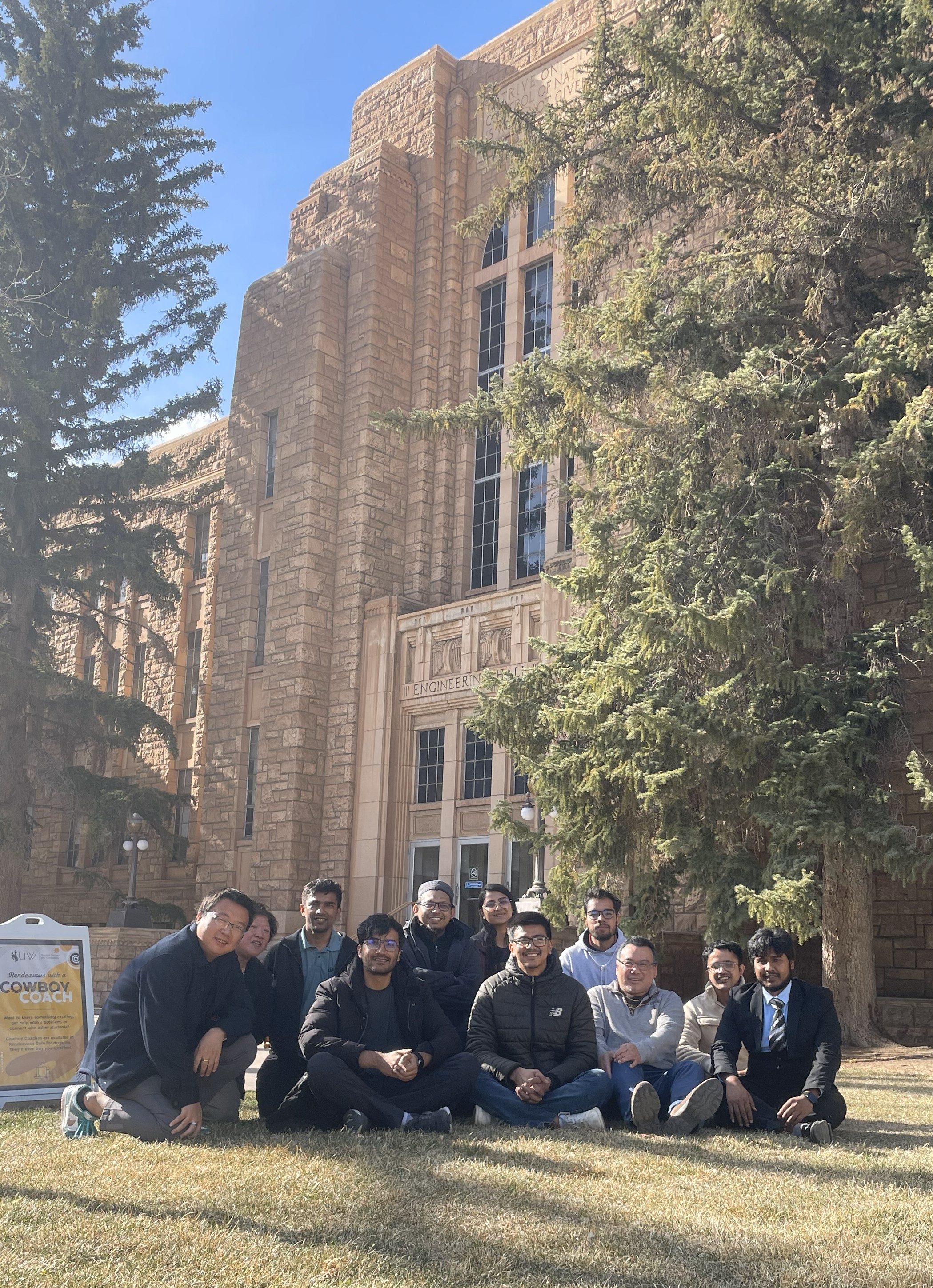

Laboratory Leadership
Leadership & Technical Direction
Kam Ng, Ph.D., P.E.
Rock Mechanics| High-Pressure Testing| Subsurface Energy Systems
Professor of Civil & Architectural Engineering. Leads advanced research in rock mechanics, high-pressure triaxial testing, fracture behavior, and subsurface energy systems. Recognized expertise in geomechanics and energy-related geotechnical engineering.
Kim Lau, M.S., MBA
Engineered Materials | Advanced Characterization | Systems Integration
Founder & Research Lead. Focused on materials innovation, performance validation, scale-up strategy, and industry translation. Integrates engineered materials into deployable infrastructure systems through research-driven commercialization.
Material Engineering & System Design
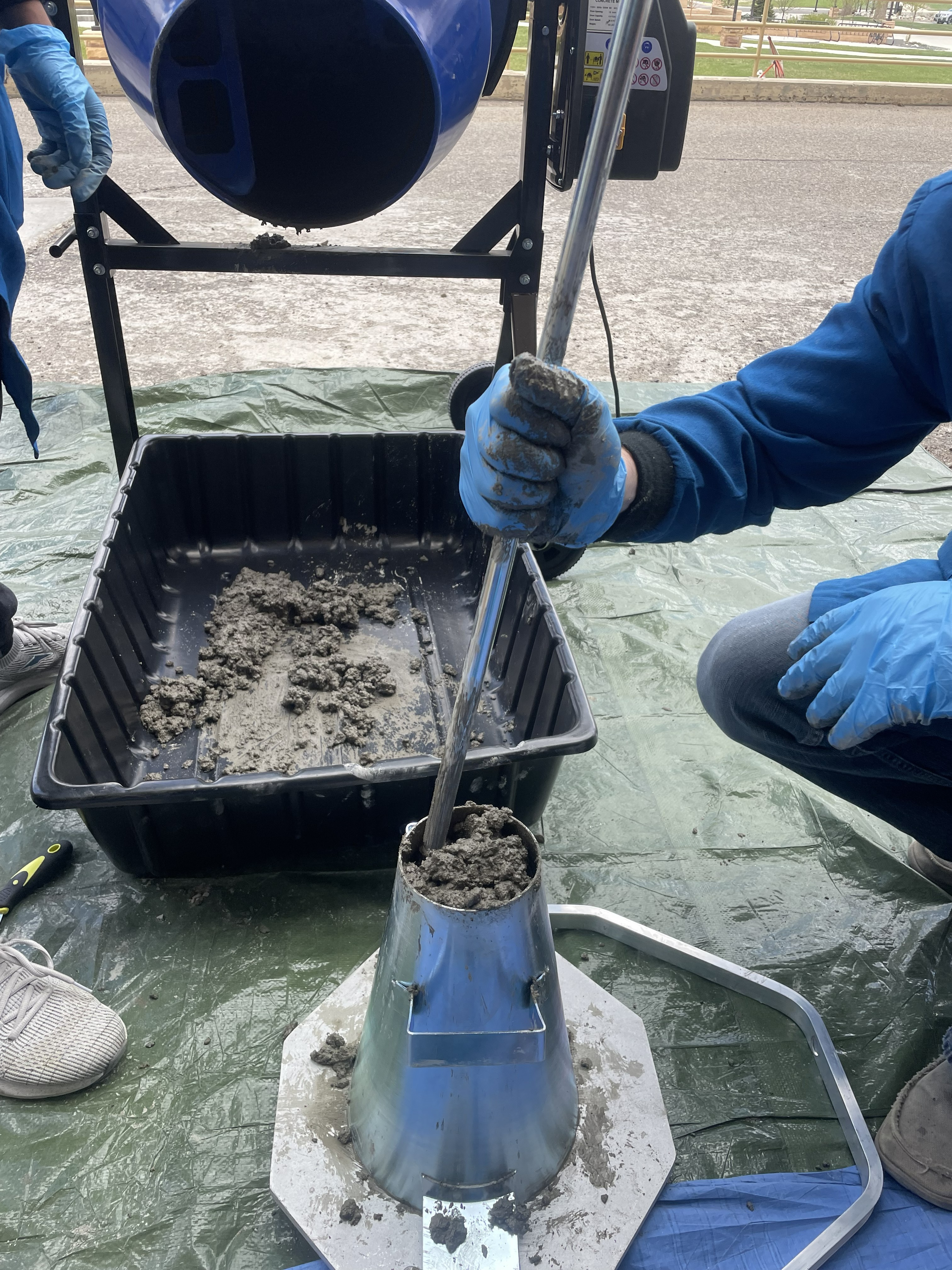
Students translate engineering principles into validated material systems — from mix design to controlled specimen preparation.
Laboratory testing enables:
- Controlled formulation
- Repeatable specimen production
- Mechanical and durability validation
- Data-driven optimization
This stage transforms material concepts into measurable, engineered performance.
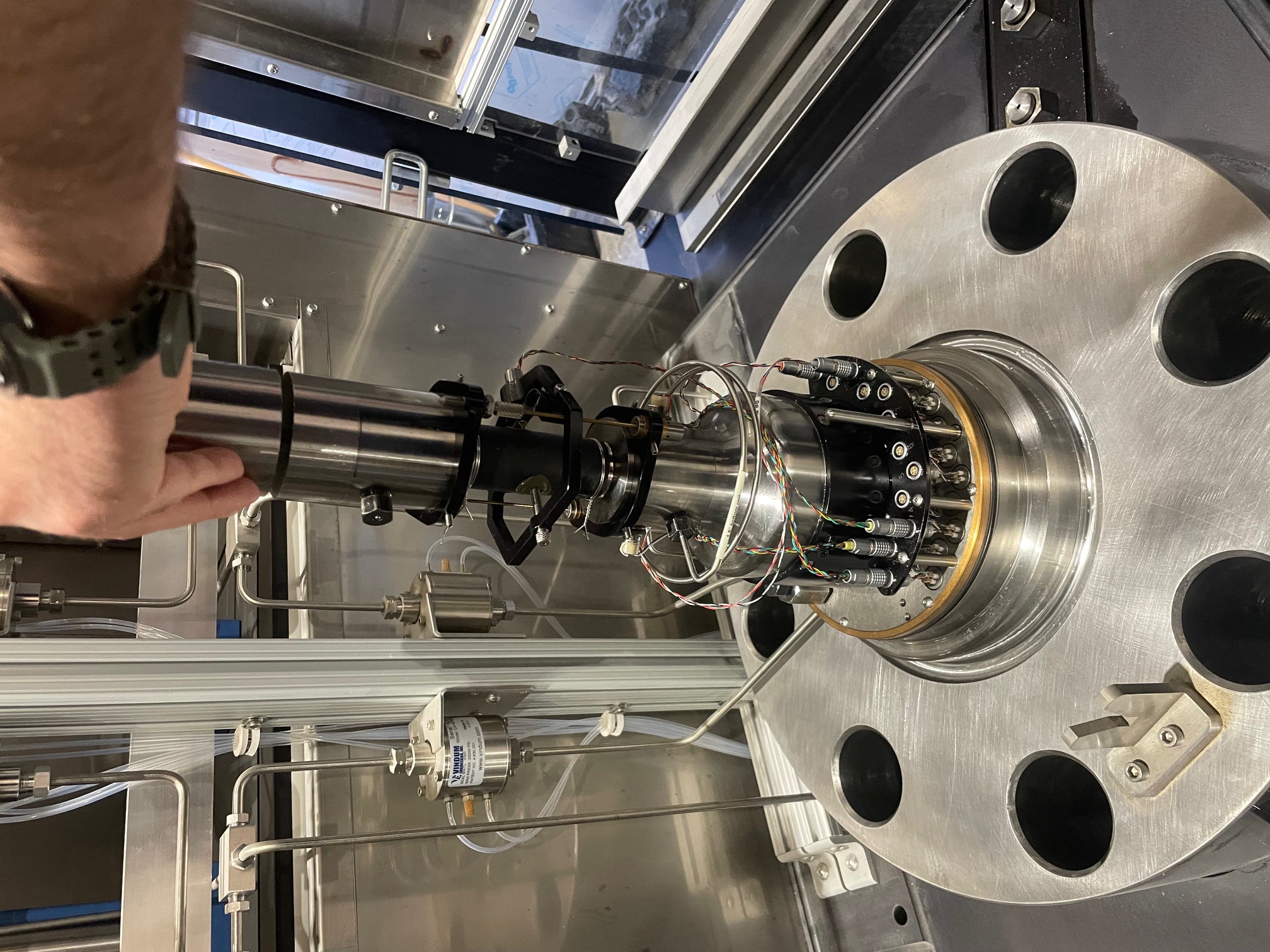
Students and researchers investigate material behavior under controlled laboratory conditions — from high-pressure triaxial testing to multi-sensor instrumentation and fracture analysis.
Laboratory testing enables:
- High-pressure mechanical testing
- Coupled hydro-mechanical evaluation
- Fracture propagation & deformation analysis
- Permeability and durability assessment
- Real-time multi-sensor data acquisition
- Performance benchmarking under extreme conditions
This stage transforms material concepts into validated, performance-driven engineering data.
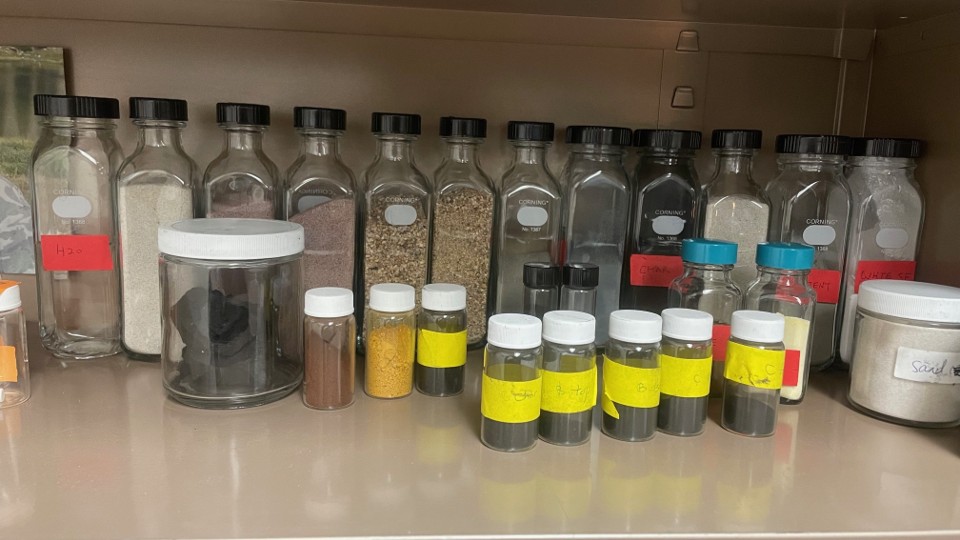
A curated database of coal-derived materials, engineered blends, and performance-validated formulations.
This platform enables:
- Systematic material classification and characterization
- Controlled formulation development
- Rapid prototyping of new mixes
- Performance tracking across mechanical and environmental metrics
Each formulation is documented, tested, and benchmarked — forming the foundation for scalable engineered systems.
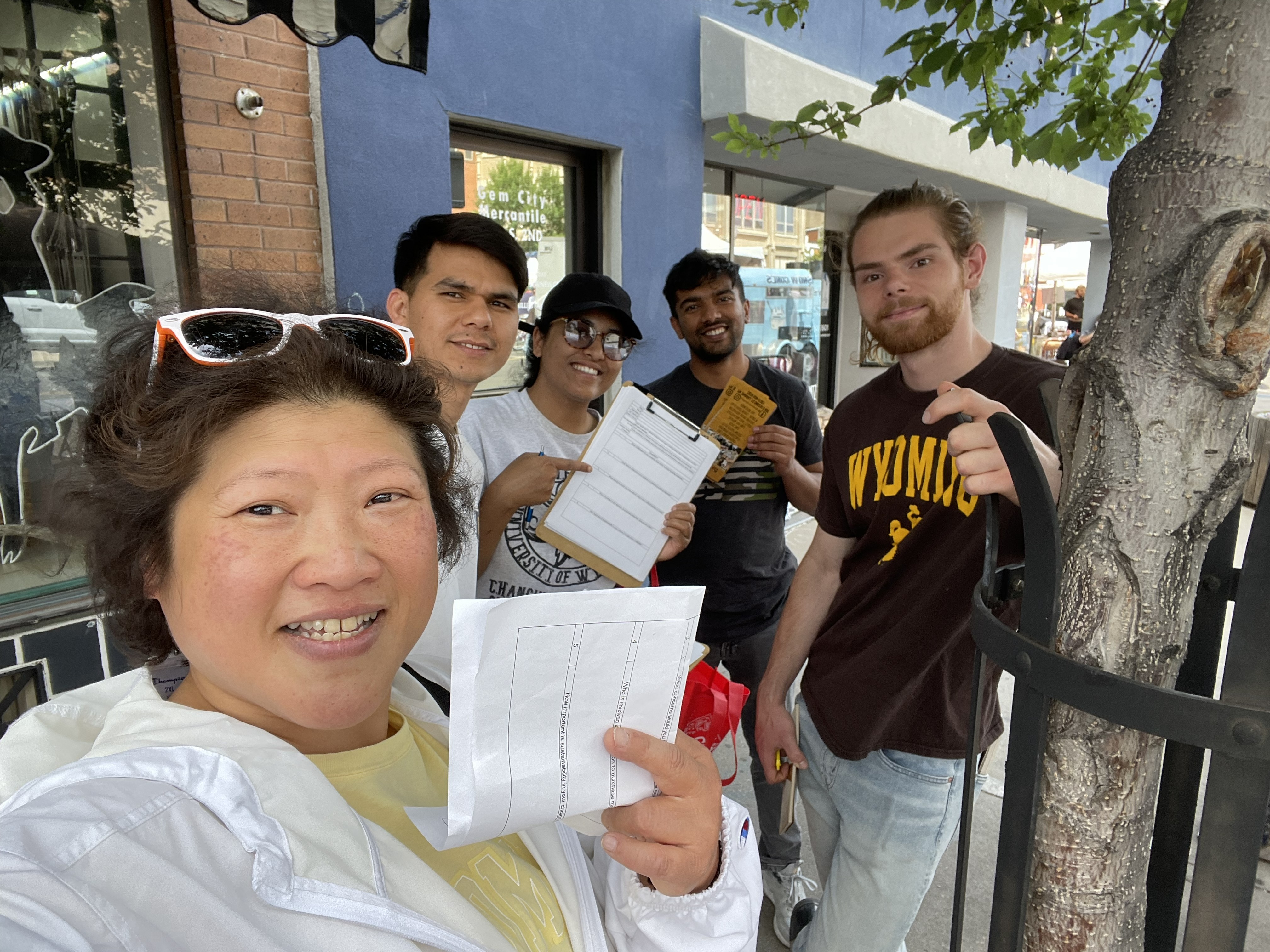
Before developing new products, students evaluate technical feasibility alongside economic viability and real customer needs.
This stage includes:
- Customer discovery and stakeholder engagement
- Cost modeling and scalability analysis
- Performance-to-price benchmarking
- Regulatory and market pathway assessment
By integrating engineering design with market intelligence, we ensure that innovation is not only technically sound — but economically viable and industry-relevant.
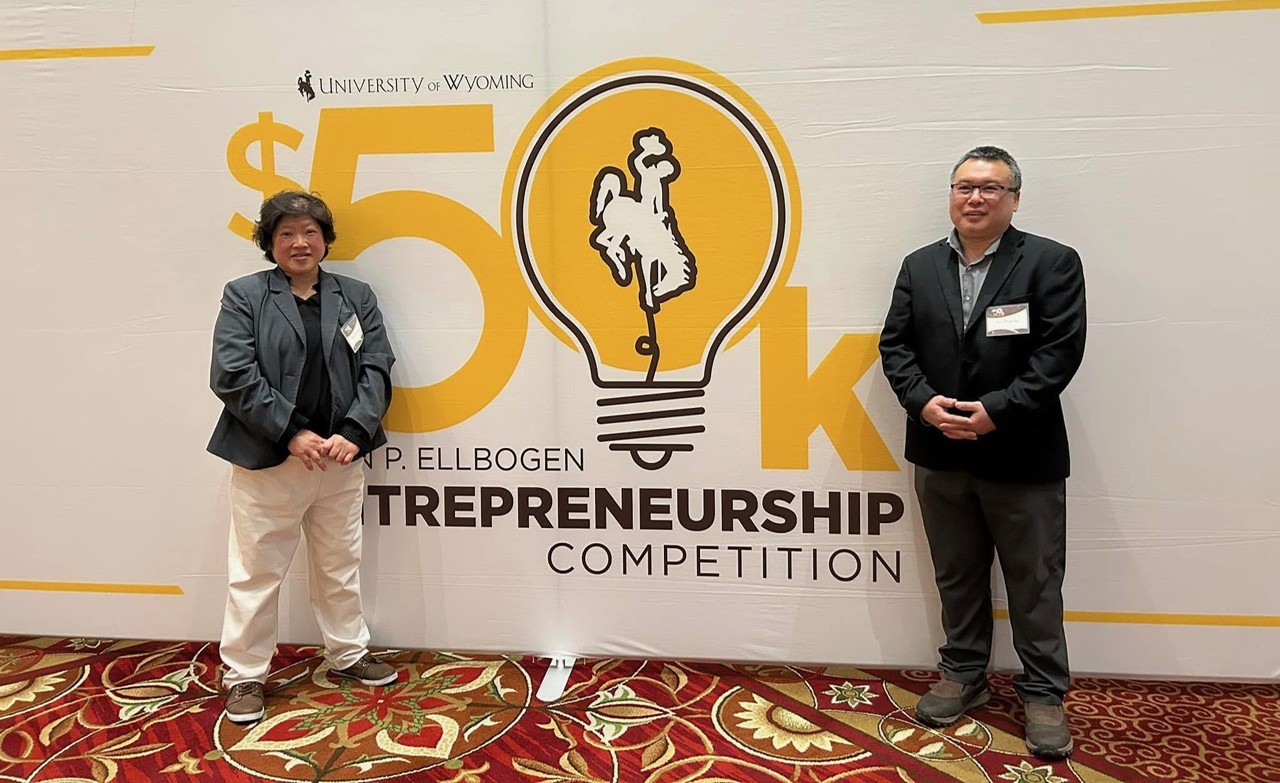
Our leadership bridges research excellence with real-world execution.
We combine deep technical expertise in geomaterials and systems engineering with entrepreneurial
strategy, workforce development, and industry collaboration.
By aligning laboratory innovation with market needs, regulatory pathways, and scalable deployment models, we ensure that materials research does not remain theoretical — it becomes implemented infrastructure.
Our vision is to lead the next generation of engineered material systems through:
- Technical rigor and advanced characterization
- Student-centered research training
- Cross-sector industry partnerships
- System-level integration from material design to constructed application
We do not simply develop materials — we build platforms that transition innovation into impact.
Industry-Integrated Materials Development
We integrate material characterization, prototype development, and performance benchmarking
within a systems engineering framework.
By combining laboratory validation with market and regulatory awareness, we accelerate
the transition of geomaterials from research to deployment.
Innovation here is not theoretical — it is engineered for implementation.
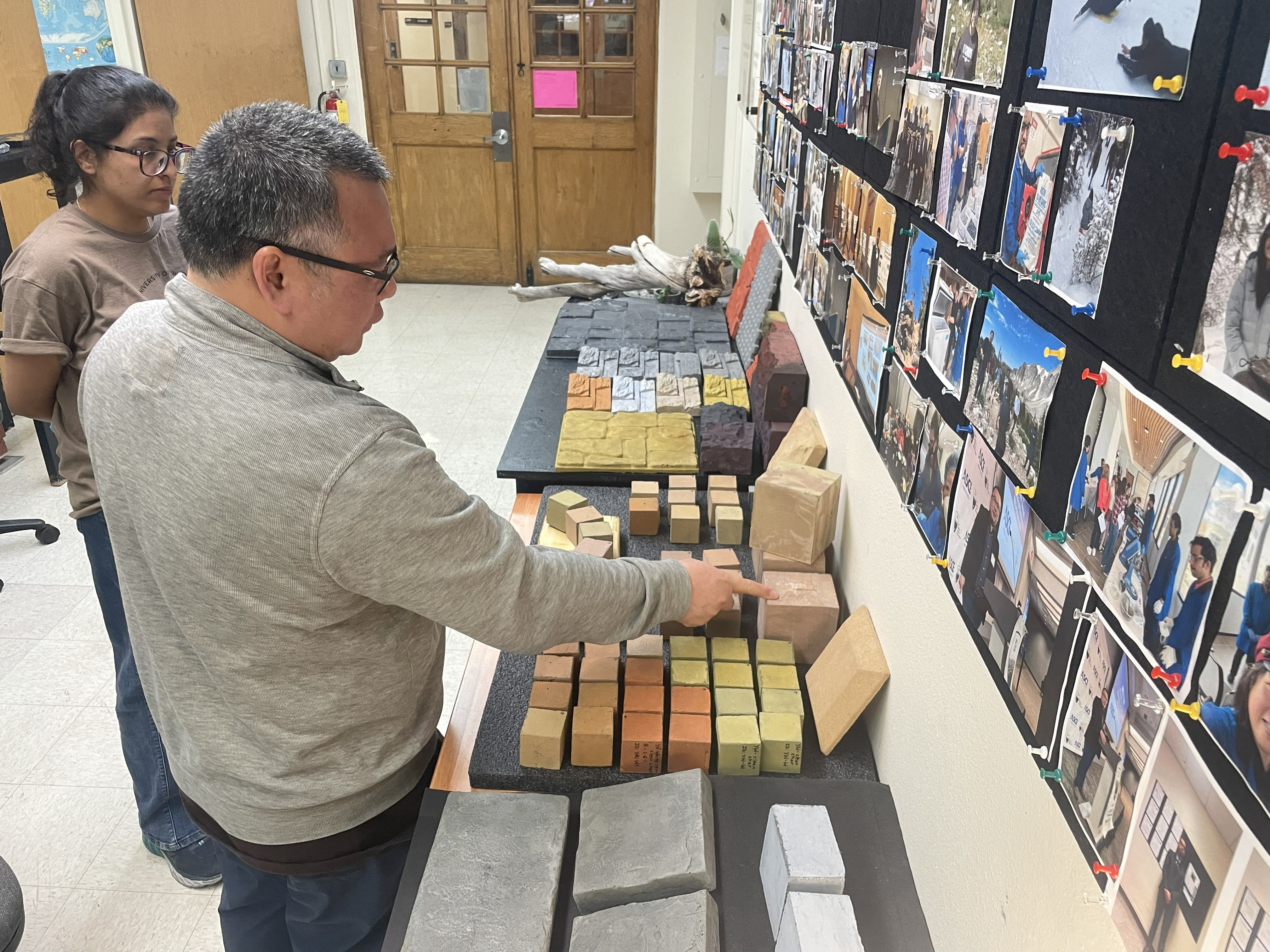
High-pressure, mechanical, and durability validation systems.
From laboratory formulation to real-world deployment.
Translating research into scalable, market-ready solutions.

FROM DISCOVERY TO DEPLOYMENT. ENGINEERING MATERIALS FOR REAL-WORLD IMPACT.
The Center integrates research, advanced characterization, and systems engineering — translating geomaterials innovation into deployable, scalable infrastructure solutions.
Kim Lau (She/Her/Hers)
Research Scientist
University of Wyoming
Department of Civil and Architectural Engineering and Construction Management
L40 Engineering Building EN3050
Laramie, WY 82071
Email: clau1@uwyo.edu