
Have questions? What would you like to know?
This Human Nutrition and Food bachelor’s degree FAQ will introduce you to the most common questions about coursework, career paths, and hands‑on learning experiences in the program. It helps prospective and current students understand how the major blends science, wellness, and real‑world application to prepare you for meaningful roles in health and nutrition fields. This guide offers quick, clear answers so students can feel confident about what to expect as you move through the program.
View all of our classes in the University's course catalog here: Human Nutrition and Food course requirements
Explore all of the possibilities of jobs in the Human Nutrition field:
- Registered Dietitian Nutritionist
- Nutrition Information Specialist
- Nutrition Services Supervisor
- Clinical Dietitian
- Patient Services Manager
- Nutrition Instructor
- Extension Nutrition Specialist
- Food Production Manager
- Wellness Program Educator
We do! You can explore more about our minor in the university catalog or on our HNF minor page!
A Human Nutrition and Food bachelor’s degree includes a solid foundation in the sciences because understanding how the body uses nutrients is central to the field. Students typically take courses in biology, general chemistry, organic chemistry, physiology, and microbiology, along with nutrition‑specific science classes that apply these concepts to real‑world health and food systems. The science load is designed to be challenging but highly relevant, giving students the knowledge they need to interpret research, understand metabolism, and prepare for advanced study or professional roles in nutrition and health.
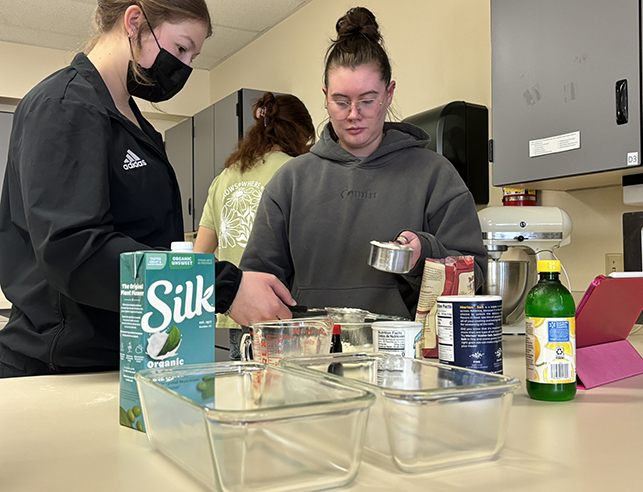
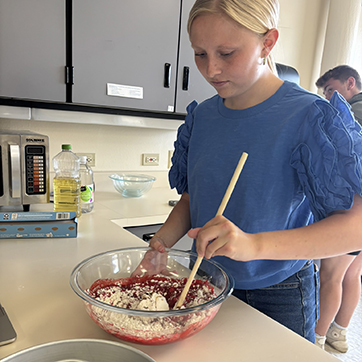
Absolutely! Our program offers *a ton* of opportunities for experiental learning: classes and laboratory experience in our teaching kitchen, undergraduate research, and community engagement are among common projects that students engage in. In addition, Human Nutrition and Food majors build a strong network of professional contacts including graduate students, faculty, adjuncts, visiting speakers, and working professionals.
You betcha--our Dietetics Pathway leads you straight into our Graduate Program in Nutrition and Dietetics (GPND), one of the requirements for becoming a Registered Dietetic Nutritionist (RDN). Students in our bachelor's program will be prepared to advance into deeper studies and more experiential learning necessary for becoming an RDN.
There are several! For starters, superlative students are eligible for paid undergraduate teaching assistantships. Nutrition students are also encouraged to check out the Student Dietetics Association (SDA) on campus or the Foodies FIG. Lastly, several of our faculty members employ undergrad research assistants for work on faculty projects, such as our M2AENAD project.
Yes, from freshman fall semester to spring of your senior year, the undergrad bachelor's degree is designed to be completed in four years.

The University of Wyoming has earned its Research Level 1 (R1) status from the Carnegie Classification of Institutions of Higher Education, placing Wyoming's only four-year university with the top research universities in the United States.