

What is Subsurface Energy?
The Subsurface Energy Certificate at the University of Wyoming is an interdisciplinary energy certification designed for undergraduate students seeking expertise in subsurface energy systems grounded in petroleum engineering. Housed in the School of Energy Resources and the Department of Energy and Petroleum Engineering in the College of Engineering and Physical Sciences, this program bridges traditional petroleum engineering fundamentals with emerging geoenergy technologies, including geothermal energy, carbon capture and storage, hydrogen systems and digital innovation in oil and gas. In a program that only takes a year, you'll gain a strong technical foundation in reservoir engineering, drilling and production operation and subsurface characterization while developing fluency in energy economics, law and data analytics.
Designed for for STEM majors outside of the petroleum engineering program, the Subsurface Energy Certificate fills a critical educational gap by integrating core petroleum engineering principles with sustainability-focused and technology-driven advancements in subsurface energy. Our program also emphasizes undergraduate research, providing hands-on experience that prepares graduates to operate at the intersection of technical subsurface expertise, digital tools and evolving energy workforce demands.

Here are just a few unique classes you might take getting your subsurface energy certification:
- Visual Analytics for the Energy Industry
- Fundamentals of Petroleum Engineering
- Geology/Geophysics for Petroleum Engineers
- Reservoir Engineering
- Drilling Engineering
- Petroleum and Geothermal Engineer
- Subsurface Energy Storage
- Blockchain in Energy
- Data Analytics Applications in the Energy Industry
- Oil: Business, Culture, and Power Credits
- Energy Project Outreach and Communications Credits
- Oil and Gas and the Law of Subsurface Property Credits
- Petroleum Economics and Law Credits

View the full subsurface energy undergraduate certificate curriculum.
Tailor your Subsurface Energy Certificate to align with your career goals by selecting a focus area that matches your technical interests and professional goals. Each pathway allows you to deepen your expertise in a specific sector of subsurface energy while maintaining a strong foundation in petroleum engineering principles. Whether you are drawn to hands-on geoenergy engineering, the policy and economics shaping oil and gas development, cutting-edge digital innovation in the energy industry or emerging technologies like geothermal energy and carbon storage, your chosen focus area will help you build specialized knowledge that complements your major and strengthens your energy certification.
Focus Areas
- Geoenergy Engineering
- Economics, Law and Communication
- Digital Innovation
- Emerging Subsurface Energy Technologies
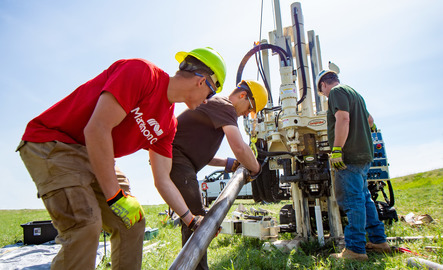
Earn Your Subsurface Energy Certification Online
The Subsurface Energy Certificate can be completed fully online, providing flexibility for students who need to balance coursework with internships, full-time employment, research or other commitments. Through high-quality online and hybrid course options, students can access foundational petroleum engineering content, digital innovation coursework and emerging subsurface energy topics from anywhere. The online format maintains the same academic rigor as on-campus offerings while allowing students across disciplines to build expertise in subsurface energy, geothermal systems, oil and gas and geoenergy technologies without disrupting their primary degree path.
Request InfoLearn more about UW Online and its programming!
What can you do with a Subsurface Energy Certificate?
A Subsurface Energy Certificate can open doors to careers at the forefront of the ever-evolving energy industry. By combining petroleum engineering fundamentals with emerging fields like geothermal energy, carbon storage and energy data analytics, this energy certification prepares you to contribute to innovative solutions across the subsurface energy sector.
- Petroleum Engineer
- Reservoir Engineer
- Drilling Engineer
- Production Engineer
- Geothermal Engineer
- Petroleum Geologist
- Geophysicist
- Energy Data Analyst
- GIS Specialist
- Energy Systems Analyst
- Hydrogen Storage Engineer
- Geothermal Project Development
The Subsurface Energy Certificate at the University of Wyoming stands out for its interdisciplinary approach to modern energy systems. While few universities offer undergraduate credentials focused on subsurface energy, this program combines core petroleum engineering concepts with flexible electives in areas like digital innovation, energy economics and emerging technologies. This broader perspective prepares students to meet evolving workforce needs across the oil and gas, geothermal and geoenergy sectors, where strong subsurface expertise continues to be highly valued.
Students from a variety of STEM disciplines can strength their primary degree and expand their job opportunities by pairing their major with the Subsurface Energy Certificate. Here are some majors that nicely complement this certificate:
Subsurface energy refers to energy resources and systems located beneath the Earth’s surface. This includes traditional resources like oil and gas as well as emerging technologies such as geothermal energy, carbon storage and underground hydrogen storage that support the future of global energy systems.
Energy companies increasingly need professionals who understand the complex systems beneath the Earth’s surface. As the energy industry evolves, demand continues to grow for experts who can combine subsurface engineering knowledge with digital tools, energy economics and emerging technologies. From traditional oil and gas development to expanding sectors like carbon storage, geothermal energy and hydrogen infrastructure, students with strong subsurface expertise are well positioned for jobs across a rapidly changing energy workforce.
"To me, what captures Subsurface Energy is the idea that, from the earth, pumps the lifeblood of the world. I think the Subsurface Energy Certificate Program will help give students a better understanding about what happens in the oil industry with respect to engineering and also the technical and/or legal aspects."
- Connor Seely | Current SER Student

The University of Wyoming has earned its Research Level 1 (R1) status from the Carnegie Classification of Institutions of Higher Education, placing Wyoming's only four-year university with the top research universities in the United States.