
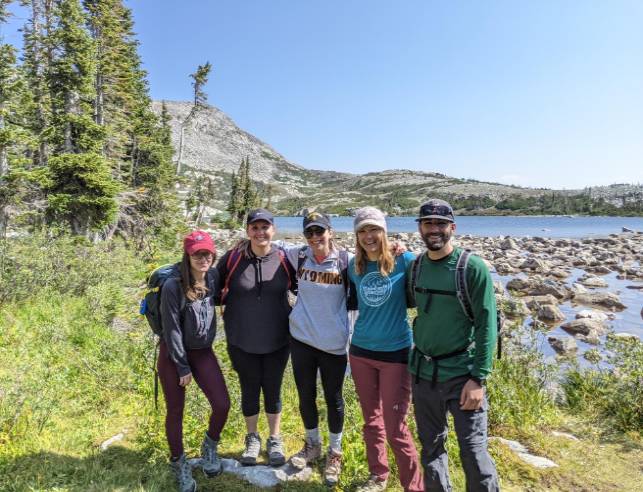

Addictive Behaviors Lab Members
Alison Looby, PhD

Dr. Looby grew up in southern California and earned her BA in psychology from the University of California, San Diego in 2002. She earned her PhD in clinical psychology from the University at Albany, SUNY in 2011. After spending some time teaching at the University of North Dakota, Dr. Looby joined the faculty at the University of Wyoming in 2016. Her primary research focus is with regard to nonmedical prescription stimulant use among college students and understanding factors related to use, including placebo effects, expectancy effects, and neuropsychological functioning. Dr. Looby spends her free time with her family (including 2 children and german shorthaired pointer) and enjoys hiking, watching Cubs Baseball, reading psychological thrillers, and traveling.
Katherine Berry, 6th year graduate student
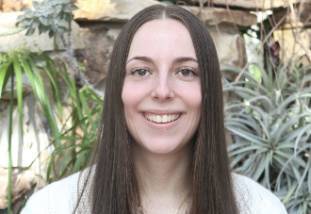
Katie is from Shrewsbury, MA, and she earned her BA in Psychology from Smith College in 2021. She is currently a 6th year graduate student where she is on clinical internship at the Charleson Consortium (MUSC). Her research interests focus on food and alcohol disturbance (FAD) among college students, as well as understanding the cognitive mechanisms that initiate and maintain substance use. During her free time, Katie enjoys binge-watching trashy reality tv, spending time with friends and family, pranking Dr. Looby, and hiking.
Anna Petrey, 4th year graduate student
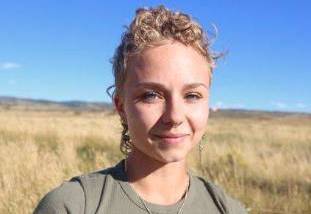
Anna was born and raised in Amarillo, TX, and she earned her BS in psychology from the University of Alabama in 2020. Shortly after completing her degree, she spent two years working in clinical research at Oregon Health & Science University. Anna is a 4th year graduate student in the Clinical Psychology PhD program at the University of Wyoming. Her research currently focuses on nicotine use among college students, harm reduction and personality traits and domains associated with substance use. During her free time, Anna can be found hiking, snowboarding, painting, tending to her pollinator garden, riding her motorcycle around Laramie, figure skating, watching birds, and cuddling her cats.
William Cole-French, 2nd year graduate student
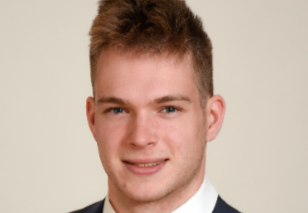
William was born in Boston, Massachusetts and lived in Vietnam from ages 3 to the 12, before returning to Boston. He earned his BA in psychology from the University of Massachusetts, Lowell. After earning his degree, he spent two years working in clinical and neuropathological research at the Boston University Chronic Traumatic Encephalopathy Center. William is a 2nd year graduate student in the Clinical Psychology PhD program at the University of Wyoming. His research interests include understanding the contributions of environmental factors and social determinants to substance misuse and developing interventions sensitive to these factors. During his free time, William, enjoys a variety of outdoor activities including running, biking, hiking, and skiing, preferably with family and friends. He also enjoys watching rom-coms and cooking breakfast foods.
Emma Winterlind, 3rd year graduate student
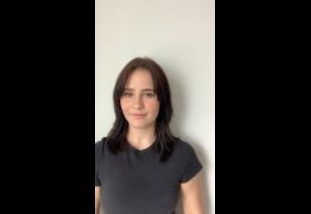
Emma grew up in Mölnlycke, Sweden before moving to Greenville, South Carolina at the age of 12. She earned her BA in Psychology from Clemson University in 2022 and her Master’s in Clinical Psychological Sciences from the University of Maryland in 2023. Emma is a 3rd year graduate student in the Clinical Psychology PhD program at the University of Wyoming. Her research interests are focused on understanding the psychosocial and cognitive mechanisms underlying the initiation and maintenance of substance use in young adults and translating such mechanisms into targets of intervention and prevention efforts. During her free time, Emma enjoys spending time with her dog Grant, watching reality TV, exercising, and cooking.
Recent Grant Funding:
Screening and Brief Intervention for Prescription Stimulant Misuse and Diversion:
Refining and Piloting a Curriculum for College Health Providers
National Institute on Drug Abuse
Role: Co-I (PI Niloofar Bavarian, California State University, Long Beach) 7/2023-7/2026
Using Ecological Momentary Assessment to Understand Contextual Factors and Fluctuations
in Affect Related to Simultaneous Alcohol and Marijuana Use
University of Wyoming Faculty Grant-in-Aid
Role: PI 7/2021-6/2022
Preventing Prescription Stimulant Diversion and Medication Misuse Via a Web-Based
Simulation Intervention
National Institute on Drug Abuse
Role: Co-I (PI Laura Holt, Trinity College; Co-I Ty Schepis, Texas State University)
7/2020 -7/2024
Efficacy of Expectancy Challenges to Prevent Nonmedical Prescription Stimulant Use
Wyoming INBRE, National Institute of General Medical Sciences
Role: PI 5/2018 - 4/2020
Lab Alumni:
- Nick Livingston, PhD: Postdoctoral Fellow, Department of Psychiatry & Behavioral
Sciences, University of Washington
- Lauren Zimmerman, PhD: Spart Psychologist, Premier Sport Psychology, MN
-Tess Kilwein, PhD: Clinical Psychologist, Unapologetic Psychology
Recent and Representative Publications
Livingston, N. R.*, & Looby, A. (2026). Daily associations among cannabis use, sleep hygiene, and sleep outcomes. Health Psychology.
Livingston, N. L.*, De Young, K. P., Merwin, A.**, & Looby, A. (2026). Cannabis expectancies for sleep modulate discrepancies between subjective and objective sleep outcomes: A pilot study. Journal of Psychoactive Drugs.
Petrey, A. M.*, Looby, A., & Stimulant Norms & Prevalence 3 (SNAP3) Study Team. (2026). Understanding personality traits related to prescription stimulant diversion using the Interpersonal Circumplex. Addiction Research & Theory, 34, 340-349.
Berry, K. A.*, Cole-French, W. S.*, Looby, A., & Stimulant Norms and Prevalence 4 (SNAP4) Study Team. (2026). Does social anxiety influence reporting of cannabis consequences: A differential item functioning analysis of the Brief Marijuana Consequences Questionnaire (B-MACQ). Addictive Behaviors, 182, 108764.
Berry, K. A.*, De Young, K. P., Looby, A., & Stimulant Norms and Prevalence 2 (SNAP2) Study Team. (2026). The development and psychometric validation of the Food and Alcohol Disturbance Expectancy Questionnaire (FAD-EQ) in three independent college student samples. Psychological Assessment, 38, 307-318.
Looby, A., Berry, K. A.*, Petrey, A. M.*, & Winterlind, E.* (2025). To choose or not to choose: Examining the influence of choice on elicitation of subjective and objective prescription stimulant placebo effects in the laboratory. Experimental and Clinical Psychopharmacology.
Looby, A., Berry, K. A.*, Prince, M. A., Herchenroeder, L., Bravo, A. J., Conner, B. T., Holt, L. J., Schepis, T. S., & Yeung, E. W. (2025). Differences in alcohol-related variables between individuals who engage in food and alcohol disturbance (FAD) behaviors and those who only use alcohol: The role of FAD motives. Journal of Studies on Alcohol and Drugs, 86, 461-648.
Berry, K. A.*, Choquette, E. M., Looby, A., & Rancourt, D. (2024). Unification of the food and alcohol disturbance literature: A systematic review. Clinical Psychology Review, 113, 102486.
Livingston, N. R.*, Falco, C. A.*, Looby, A., & Stimulant Norms and Prevalence (SNAP) Study Team. (2024). Identifying cannabis risk profiles from expectancies and use behaviors: A person-centered approach. Addiction Research & Theory.
Looby, A., Piccorelli, A. V., Zimmerman, L.*, Falco, C.*, Livingston, N. R.*, Akin, C.**, Benton, S.**, & Juliano, L. M. (2024). Expectancy for Adderall influences subjective mood and drug effects regardless of concurrent caffeine ingestion: A randomized controlled trial. Psychopharmacology, 241, 109-118.
Livingston, N. R.*, Berry, K. A.*, Meier, E., Looby, A., & Harm Reduction Research Team. (2023). Use of both alcohol and cannabis protective behavioral strategies is associated with fewer negative consequences: A moderation analysis. Substance Use & Misuse, 58, 989-995.
Looby, A., Prince, M. A., Livingston, N. R.*, Berry, K. A.*, & Harm Reduction Research Team. (2023). An examination of the effects of ADHD symptoms and sex on the relation between cannabis protective behavioral strategies and cannabis consequences. Addictive Behaviors, 144, 107718.
Looby, A., Zimmerman, L.*, & Livingston, N. R.* (2021). Expectation for stimulant type modifies caffeine’s effects on mood and cognition among college students. Experimental and Clinical Psychopharmacology.
*Denotes graduate student author under my supervision
** Denotes undergraduate student author under my supervision
Prospective Graduate Students:
Dr. Looby will be reviewing applications for graduate students applying for fall 2027.

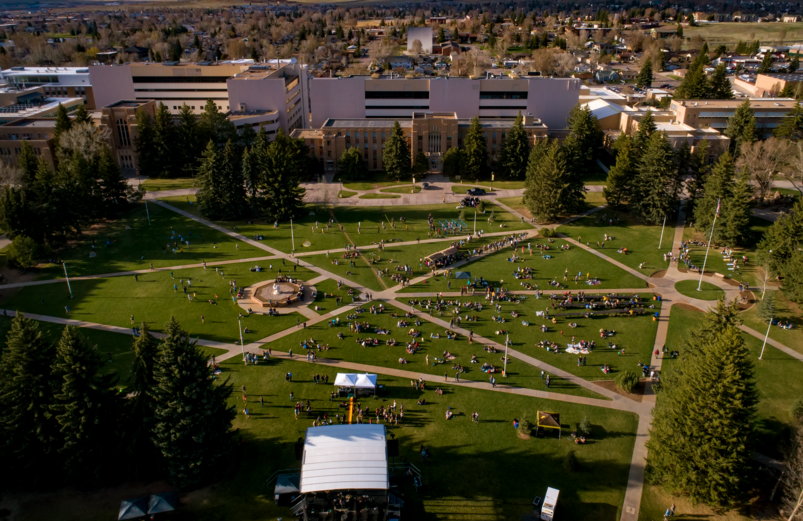
The University of Wyoming has earned its Research Level 1 (R1) status from the Carnegie Classification of Institutions of Higher Education, placing Wyoming's only four-year university with the top research universities in the United States.