
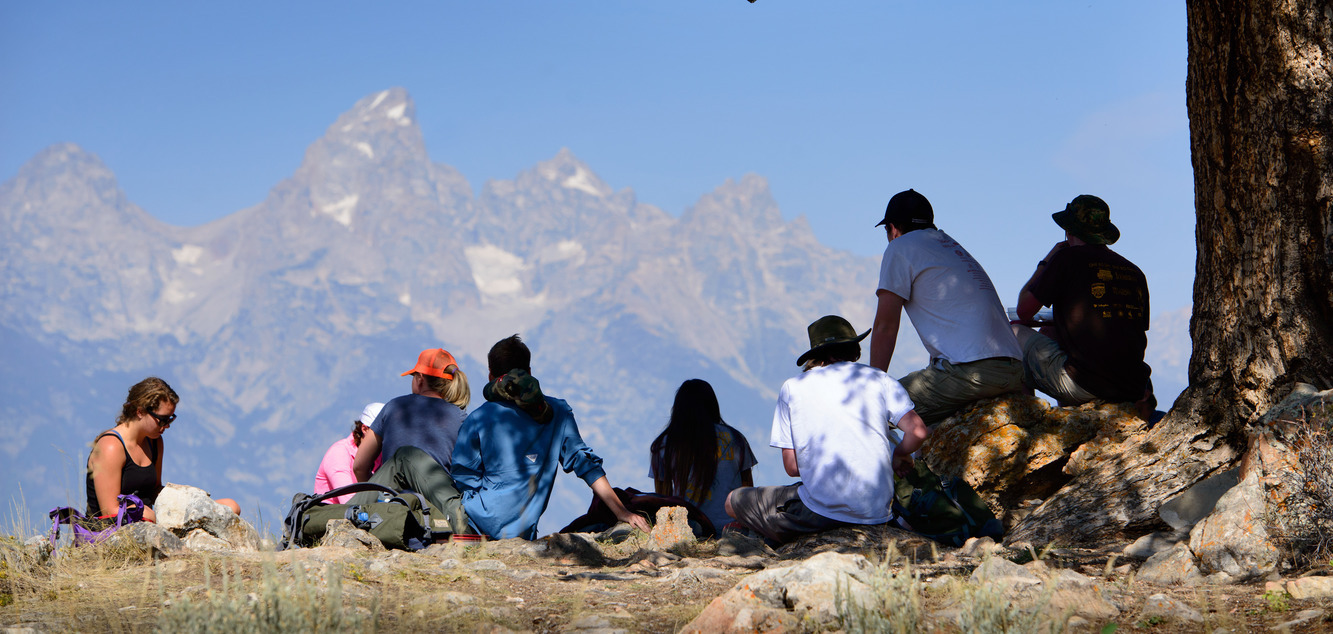
Start Here to Shape the Future
The Haub School of Environment and Natural Resources at the University of Wyoming offers interdisciplinary undergraduate and graduate programs that blend science, policy and hands-on learning to prepare students for careers addressing environmental challenges. Explore degrees in environmental systems science, sustainability, outdoor recreation and more.

Applying to the Haub School is simple: first, gain admission to the University of Wyoming, then declare your Haub major or minor with an academic advisor. UW offers a range of scholarships and financial aid options, including Haub-specific awards and graduate assistantships, to help make your education affordable.
Request Info
At the Haub School of Environment and Natural Resources, we are a passionate community of students, faculty and staff dedicated to tackling complex environmental challenges. Through interdisciplinary collaboration and hands-on learning, we strive to create sustainable solutions for Wyoming and beyond.
About Us


Supporting Your Success
At the Haub School, we’re committed to your academic and professional growth. Our dedicated advising team offers personalized guidance to help you align your studies with your goals. Explore our comprehensive student services, including career planning, internships and skill-building opportunities, designed to support you throughout your journey.
Academic AdvisingStudent Resources
Field & Global Learning
Immerse yourself in hands-on fieldwork and international programs that expand your environmental knowledge and cultural perspectives.
Explore ExperiencesReal World Practice
Apply classroom learning to real-world challenges through internships, research and applied projects that enhance your career readiness.
Serve & Engage
Contribute to communities locally and globally through service and volunteer work that enriches your academic journey and personal growth.
Join a Community
Connect with peers who share your interests by joining student organizations that foster leadership, collaboration and campus involvement.
Our Sustainable Home
The Bim Kendall House, home to the Haub School of Environment and Natural Resources, exemplifies our commitment to sustainability. This remodeled 1954 prairie-style building, once known as the Hitchcock House, earned LEED Gold certification in 2012 for its energy efficiency, low resource consumption and healthy workspaces—a rare achievement for a renovation. As UW's first green building, it stands as a testament to our mission of environmental stewardship.

News & Highlights

Stay informed about Haub School events, workshops and symposiums.

Explore innovative research tackling environmental and natural resource challenges.

Access reports and resources bridging science and policy on environmental issues.

Read our biannual newsletters for updates on programs, research and achievements.
Join the Zero Waste Movement
Take the PledgeThe Haub School is committed to sustainability through its Zero Waste initiative. By minimizing landfill waste and promoting resource reuse, we aim to emulate sustainable natural cycles. Take the pledge and be part of the solution.
What it Means to be a Haubie
Being a Haubie means embracing a commitment to interdisciplinary learning, collaborative problem-solving and active engagement in addressing environmental and natural resource challenges. Haubies are part of a community dedicated to making a positive impact in Wyoming, the West and the world.
Discover the visionary contributions of Helga Otto and Erivan Karl Haub that established the Haub School's foundation in environmental education and stewardship.
Explore inspiring journeys of Haub School graduates making impactful contributions across diverse fields and communities.
Meet the dedicated faculty members whose research and teaching drive innovation and excellence at the Haub School.
Read firsthand accounts from students engaging in fieldwork, internships and research that shape their academic and professional paths.

Your support helps advance the Haub School’s mission of shaping future environmental leaders. By donating, you enable transformative student experiences, cutting-edge research and critical projects that drive meaningful change. Join us in empowering students and advancing the work that creates a sustainable future for all.
Give Today