
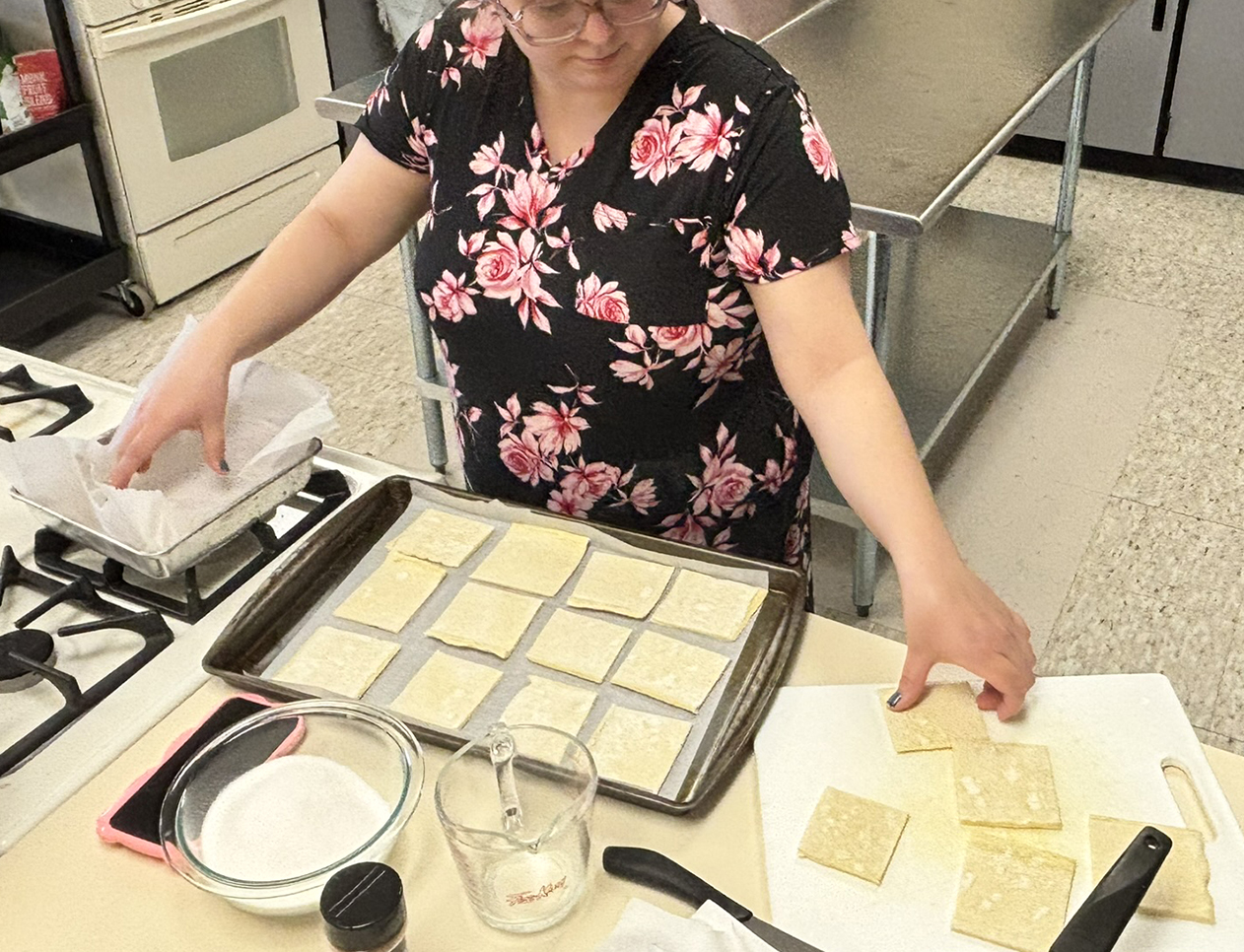
GUIDELINES FOR USE
Because this is a shared instructional space, it is essential that all participants follow the established guidelines and protocols for kitchen use. These standards help us maintain a safe, sanitary, and efficient environment, protect our equipment, and ensure that every class runs smoothly. Please review the full set of policies in the linked PDF below—your commitment to these expectations allows us to offer high‑quality learning experiences and keeps the kitchen welcoming and functional for everyone.

WHAT OUR KITCHEN HAS TO OFFER
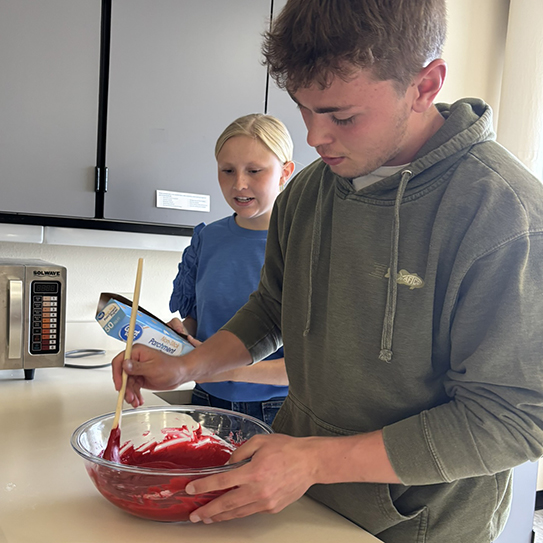
Our teaching kitchen is a multipurpose academic space that bridges classroom learning with hands-on skill-building in food preparation, nutrition, and food science. It bridges the gap between theoretical coursework and hands-on skill-building, serving as a hub for culinary education, nutrition science, public health outreach, and interdisciplinary research.
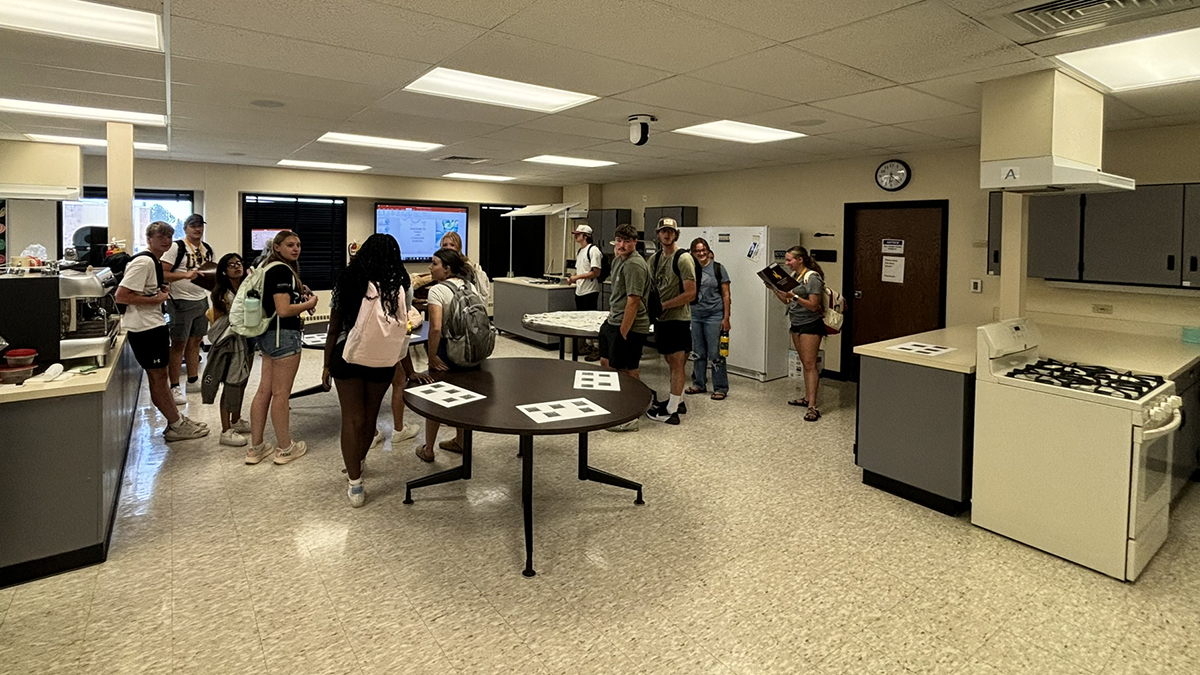
ACADEMIC WORKING SPACE
Our spacious teaching kitchen offers major advantages for both instructors and participants. The ample room allows students to spread out, work comfortably, and engage fully in hands‑on activities without crowding or distraction. Multiple workstations make it possible to demonstrate techniques clearly, support group collaboration, and accommodate different classes or diverse skill levels. The size of the space also enhances safety and efficiency—there’s more room for proper equipment setup, movement, and sanitation practices. Altogether, a large teaching kitchen creates a more dynamic, accessible, and professional learning environment where participants can focus on building skills with confidence.
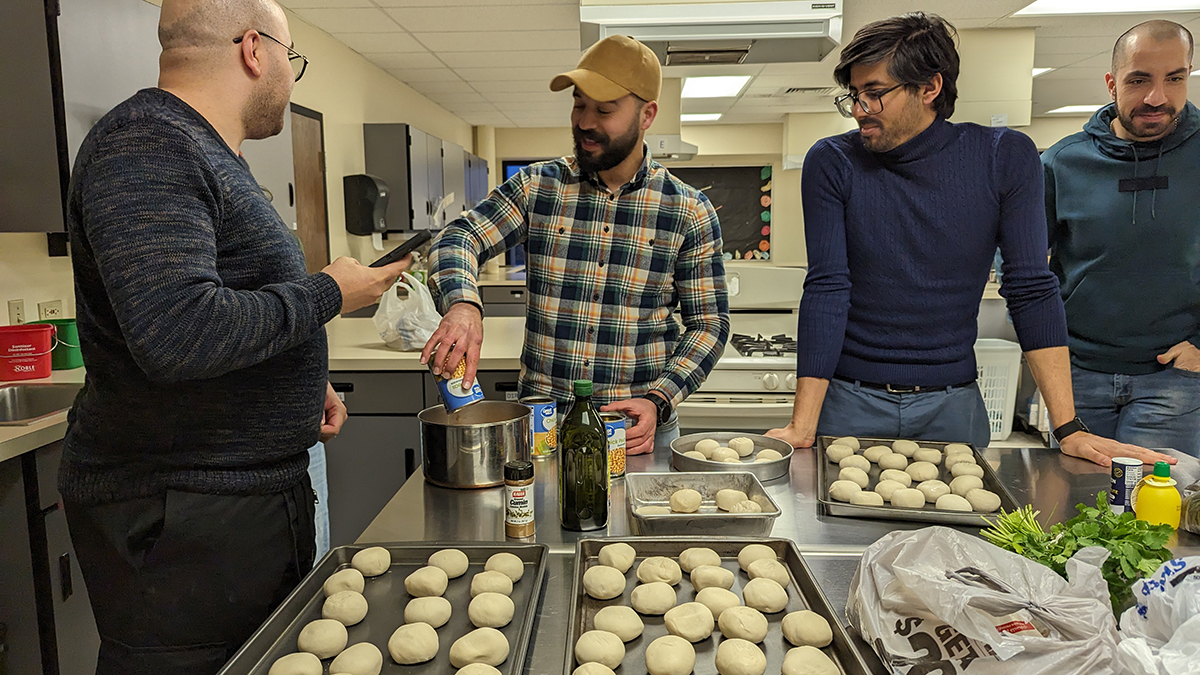
ACTIVE ORGANIZATION INVOLVEMENT
Non‑student organizations benefit greatly from using our teaching kitchen because it provides a professional, fully equipped space that supports high‑quality programming and community engagement. The layout allows groups to host interactive workshops, team‑building activities, demonstrations, or outreach events with plenty of room for participants to work comfortably. Access to commercial‑grade tools and appliances enhances the experience, making it easier to teach practical skills, prepare large quantities of food, or run specialized culinary activities. The kitchen also offers a welcoming environment that encourages collaboration, creativity, and connection—helping organizations deliver impactful, memorable experiences for their members or the broader community.
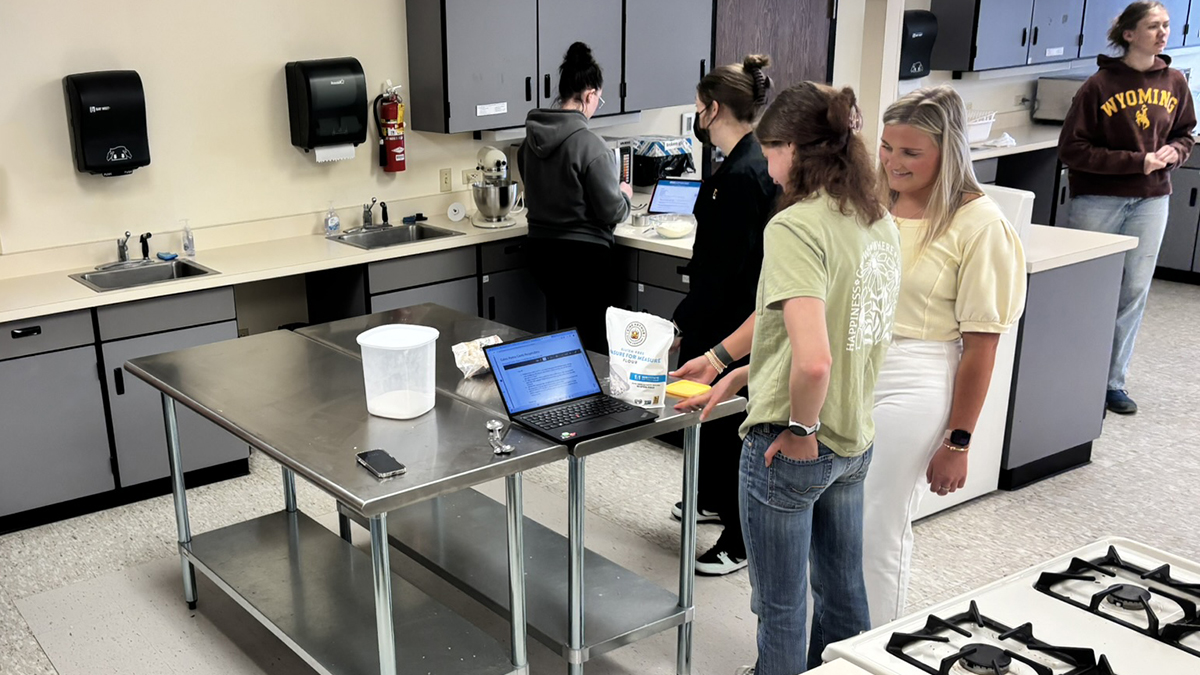
RESEARCH OPPORTUNITIES
Researchers gain significant advantages when using our teaching kitchen because it provides a controlled, well‑equipped environment ideal for conducting food‑related studies. The space supports precise data collection, whether researchers are examining cooking behaviors, testing recipes, evaluating nutrition interventions, or studying food safety practices. Access to equipment and workspace allows for consistent preparation methods and replicable procedures, strengthening the reliability of research outcomes. The kitchen also enables direct observation of participants in real‑world culinary scenarios, offering richer insights into habits, decision‑making, and skill development.
WHAT MORE WOULD YOU LIKE TO KNOW?
You can reserve time in the FCS Teaching Kitchen with this Room Reservation Form.
We have an extensive Guidelines for Use document that explains all of your duties and obligations as a user.
The kitchen is in the Agriculture Building, Room 3023, down the back hall on the "new side".
Always follow the Guidelines for Use when using the kitchen! If there is an event in the kitchen, you must reach out to us IMMEDIATELY--contact information is posted on the main door to the kitchen.
As of Fall 2026, fees may be assessed if the kitchen is left in unsatisfactory condition or policies aren't followed.

The University of Wyoming has earned its Research Level 1 (R1) status from the Carnegie Classification of Institutions of Higher Education, placing Wyoming's only four-year university with the top research universities in the United States.